Discover
The world beyond the ordinary.

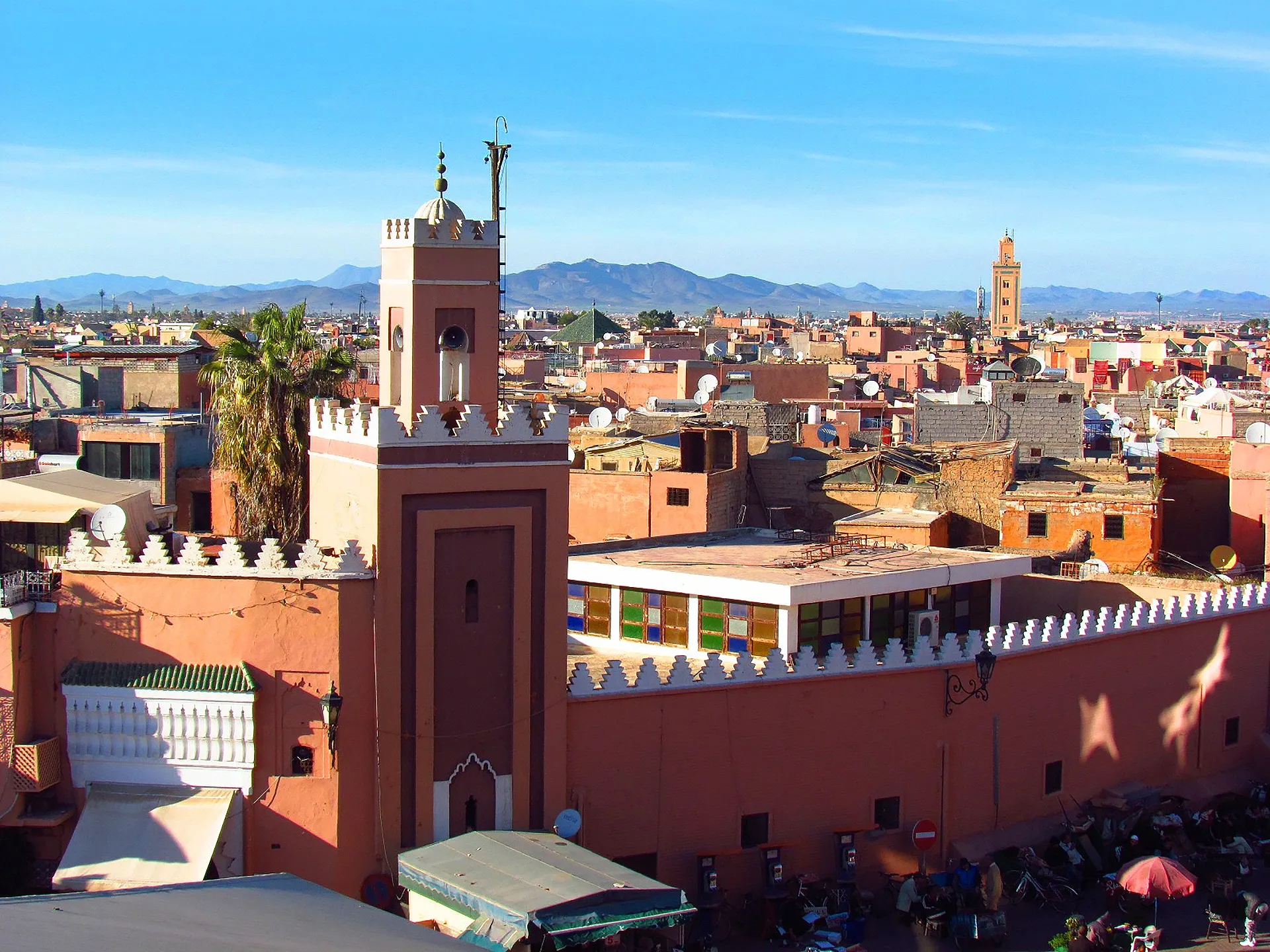
Morocco
Jews have lived in Morocco for some two thousand years, and a few of the old communities are still there. On our Morocco trip every meal is Glatt Kosher Mehadrin, Shabbat is kept at the Lazama Synagogue in the Marrakech Mellah, and the days run from Casablanca through the imperial cities to the Atlantic and the Atlas.
Our Morocco trip
One escorted trip, with the group and an English-speaking guide: Casablanca, the imperial cities, Marrakech over Shabbat, Essaouira and the Atlas foothills.
Dates and from-price are the ones published today, per person sharing a double room, in US dollars. The trip page carries the full itinerary, the hotels, the price and the terms.
Kashrut
Every meal on the trip is Glatt Kosher Mehadrin: breakfast, lunch and dinner, every day.
Where a hotel or restaurant cannot meet our kashrut standard, our own mashgiach and cook travel with the group to prepare and supervise the meals. On Friday night the group has Shabbat dinner with members of the local Jewish community in Marrakech, and the farewell dinner is a barbecue in the Agafay Desert, under the same supervision. Tell us about any allergy or dietary need when you inquire.
Jewish Morocco
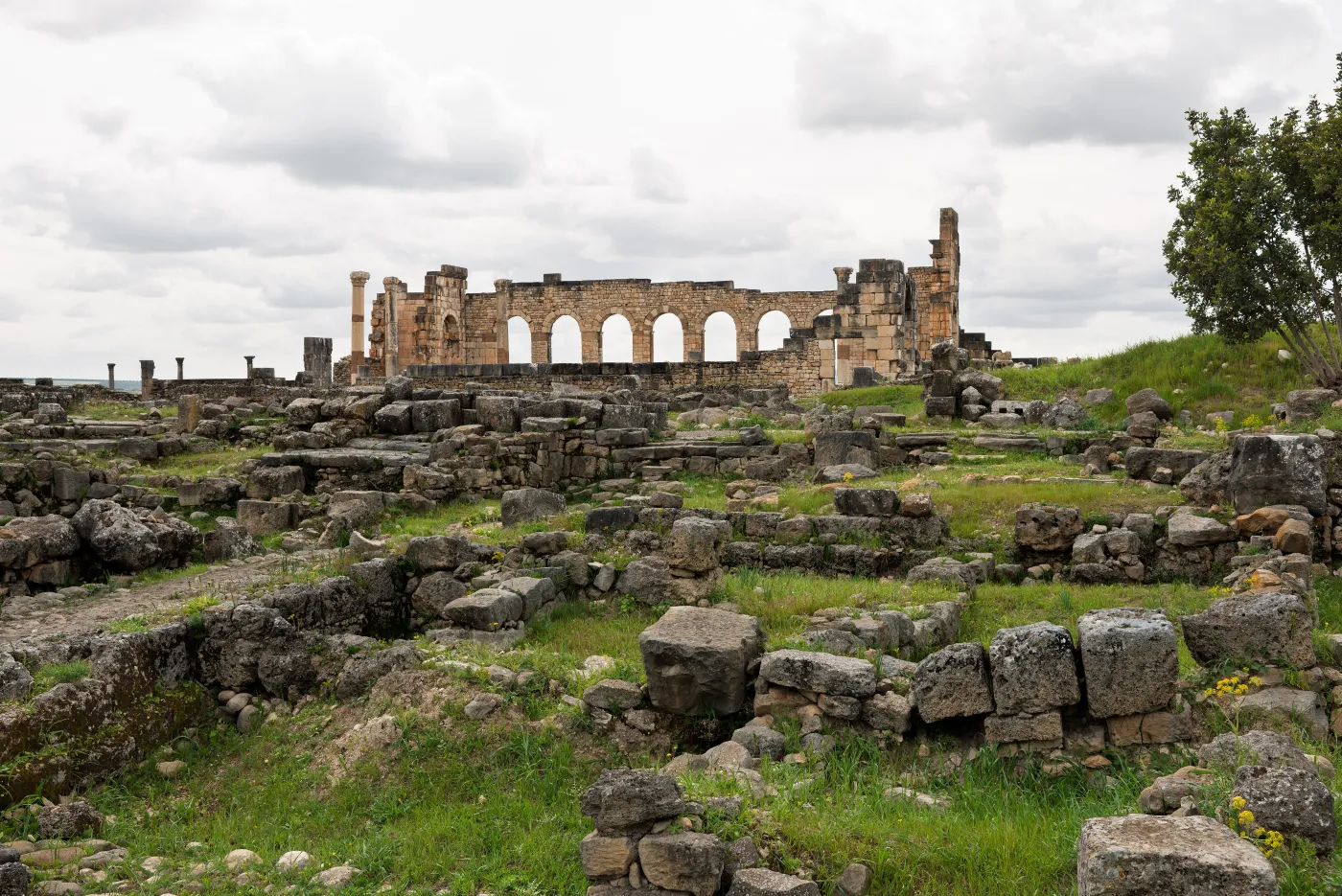
Morocco has one of the longest Jewish histories of any country in the Arab world. At Volubilis, Hebrew gravestones and a third-century synagogue show a Jewish community there in Roman times.
Many Jews expelled from Spain in 1492 and from Portugal in 1496 found refuge in Morocco, joining communities that were already old. Portugal tells the other half of that story.
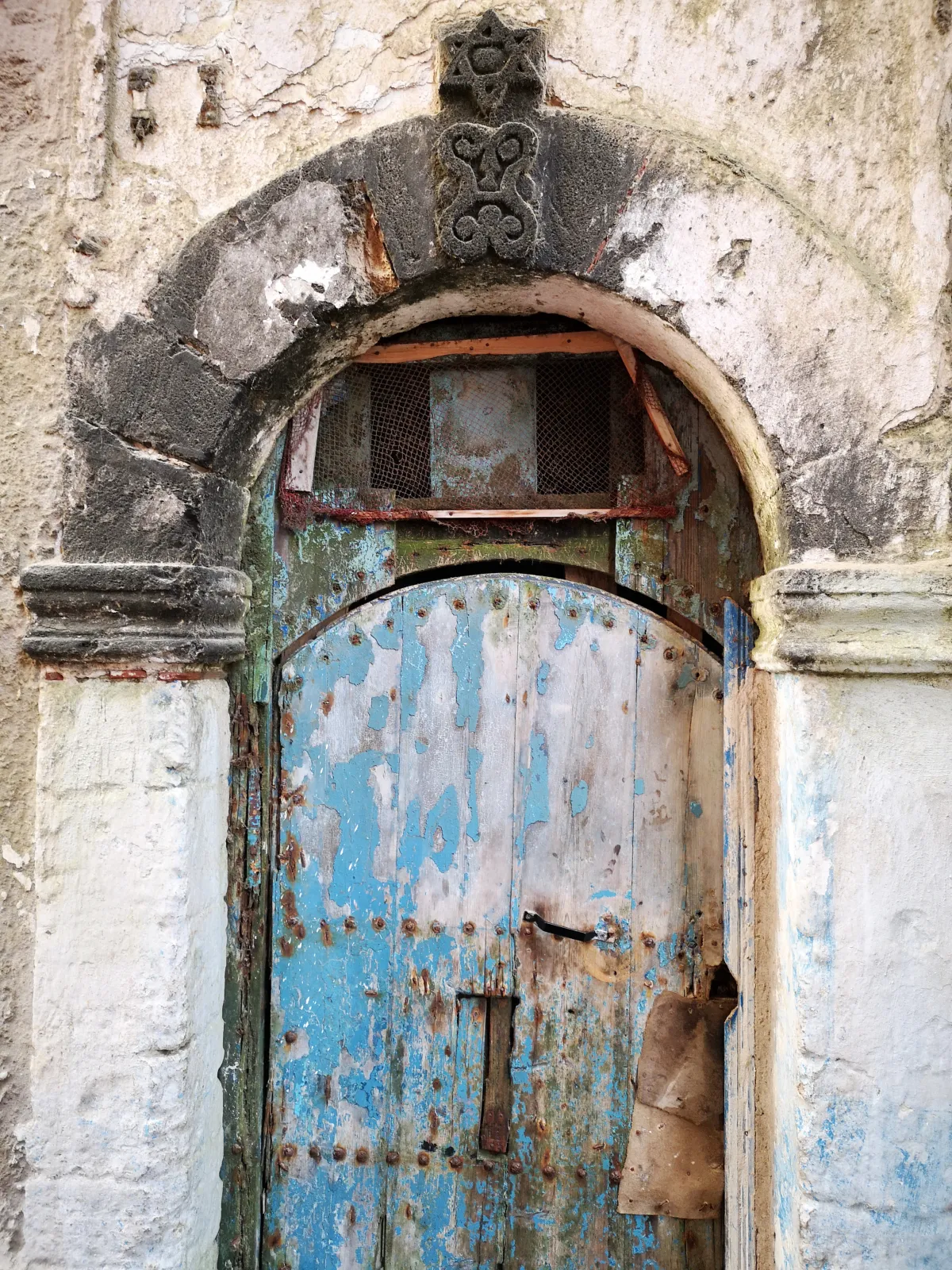
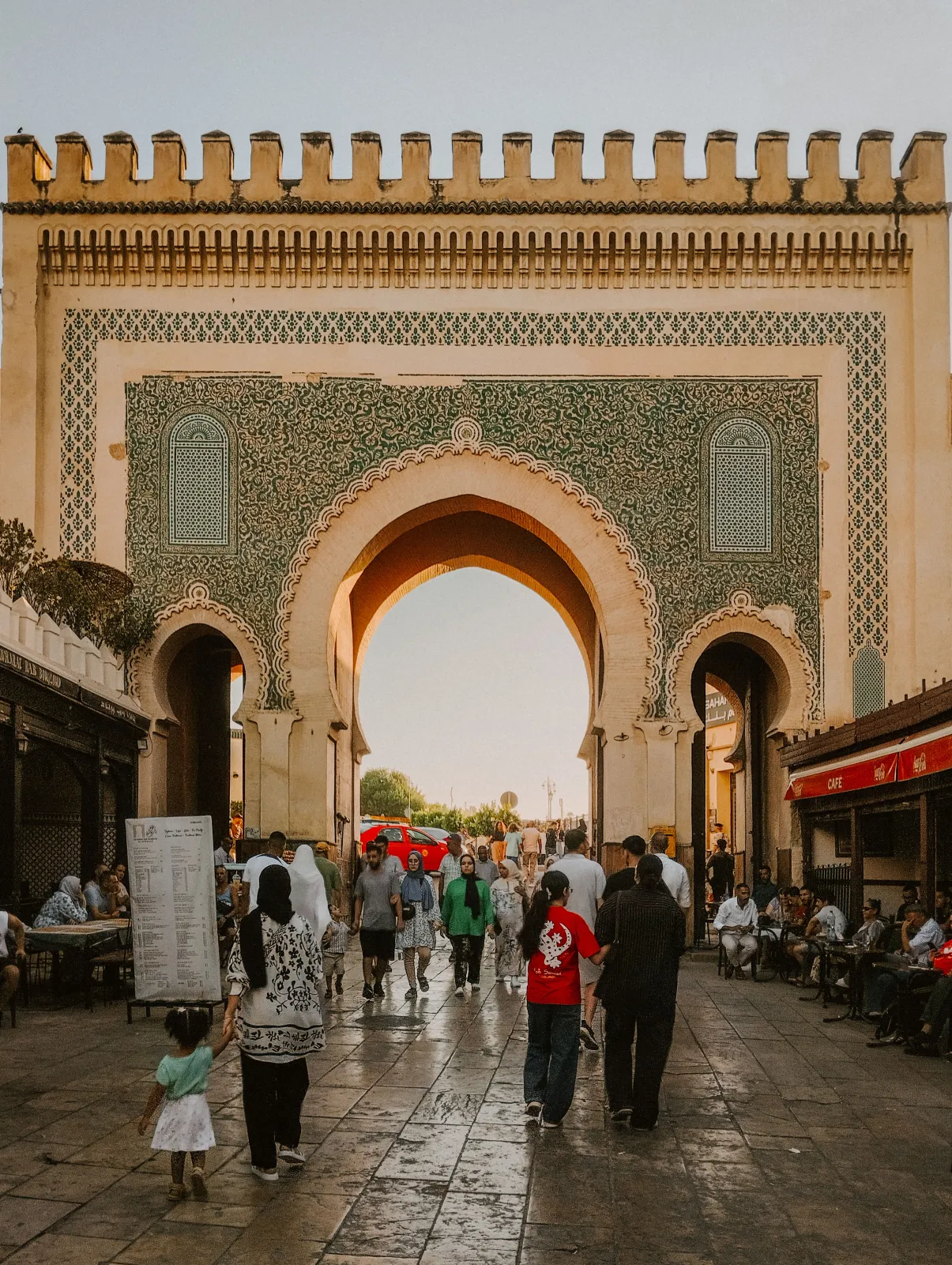
A mellah is the Jewish quarter of a Moroccan city, walled and set near the royal palace. The first was founded in Fes in 1438. The one in Marrakech was ordered in 1557–58, and the tour walks both, with their synagogues and cemeteries.
The trip visits the restored Aben Danan Synagogue and the resting places of Rabbi Yehuda Ben Attar and Solika Hatchuel, in the Jewish Mellah of this UNESCO-listed medina.
The trip opens in Casablanca with its Jewish Museum and the Beth-El Synagogue, and visits Rabat's Jewish Mellah on the way to Meknes, where the tomb of Rabbi Ben Imdan is on the route.
In 1867 a visiting French botanist counted the Jews as half of Essaouira's twelve thousand people. The group visits the Chaim Pinto Synagogue, the Jewish Mellah and the cemetery.
About 265,000 Jews lived in Morocco in 1948. Today the community numbers a few thousand, so many of the old synagogues and mellahs are best seen with a guide who knows them.
Marrakech
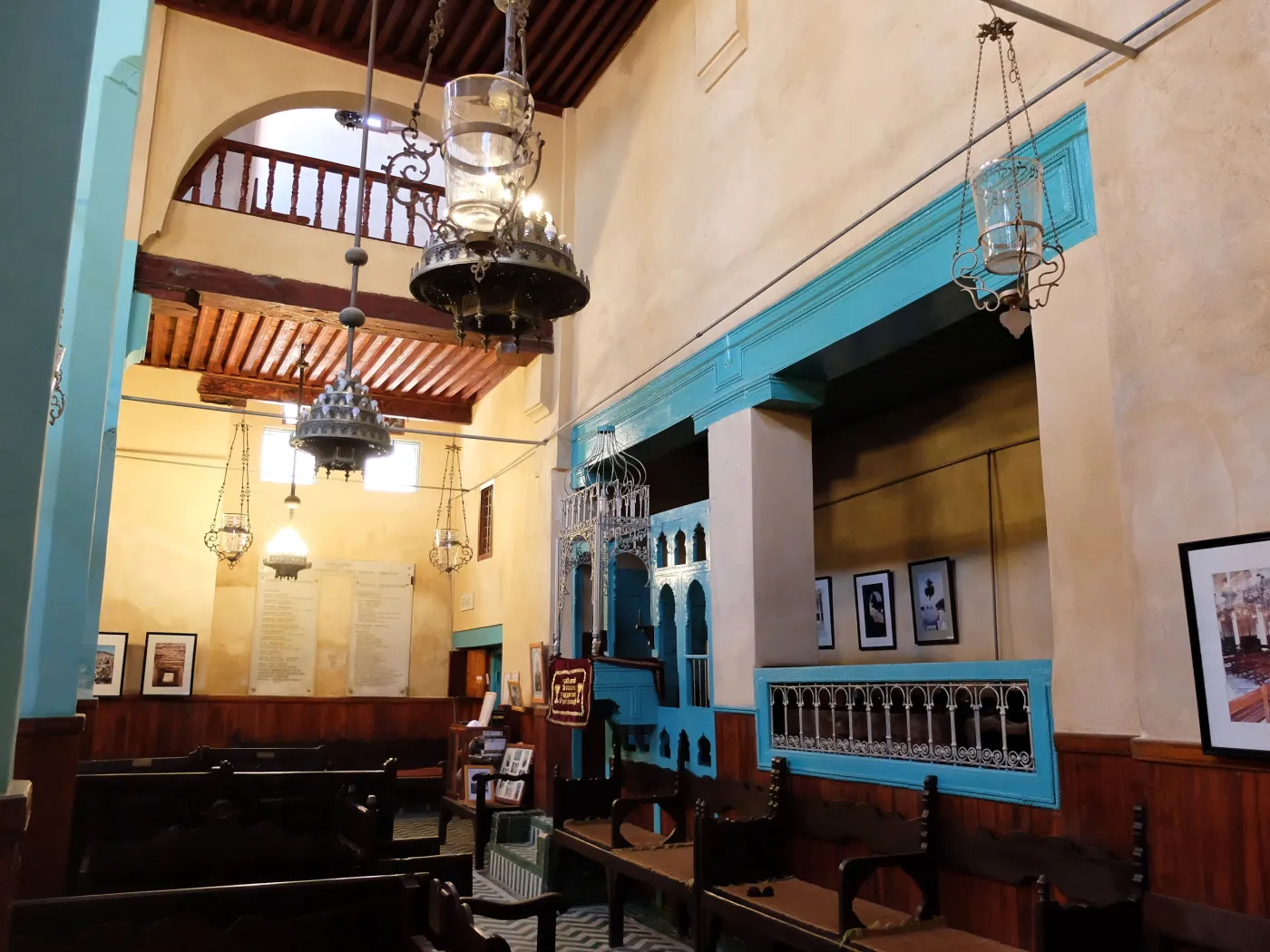
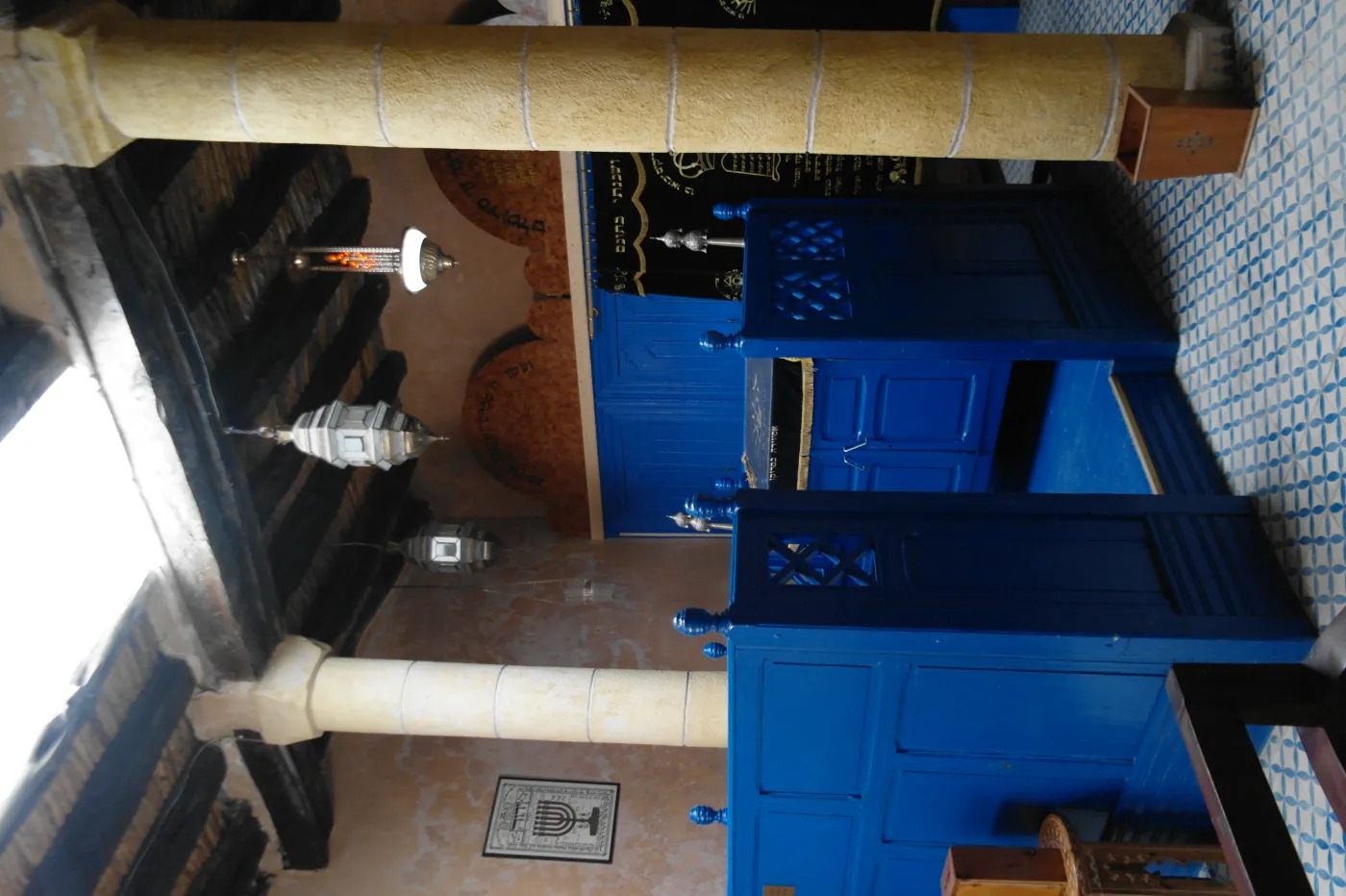
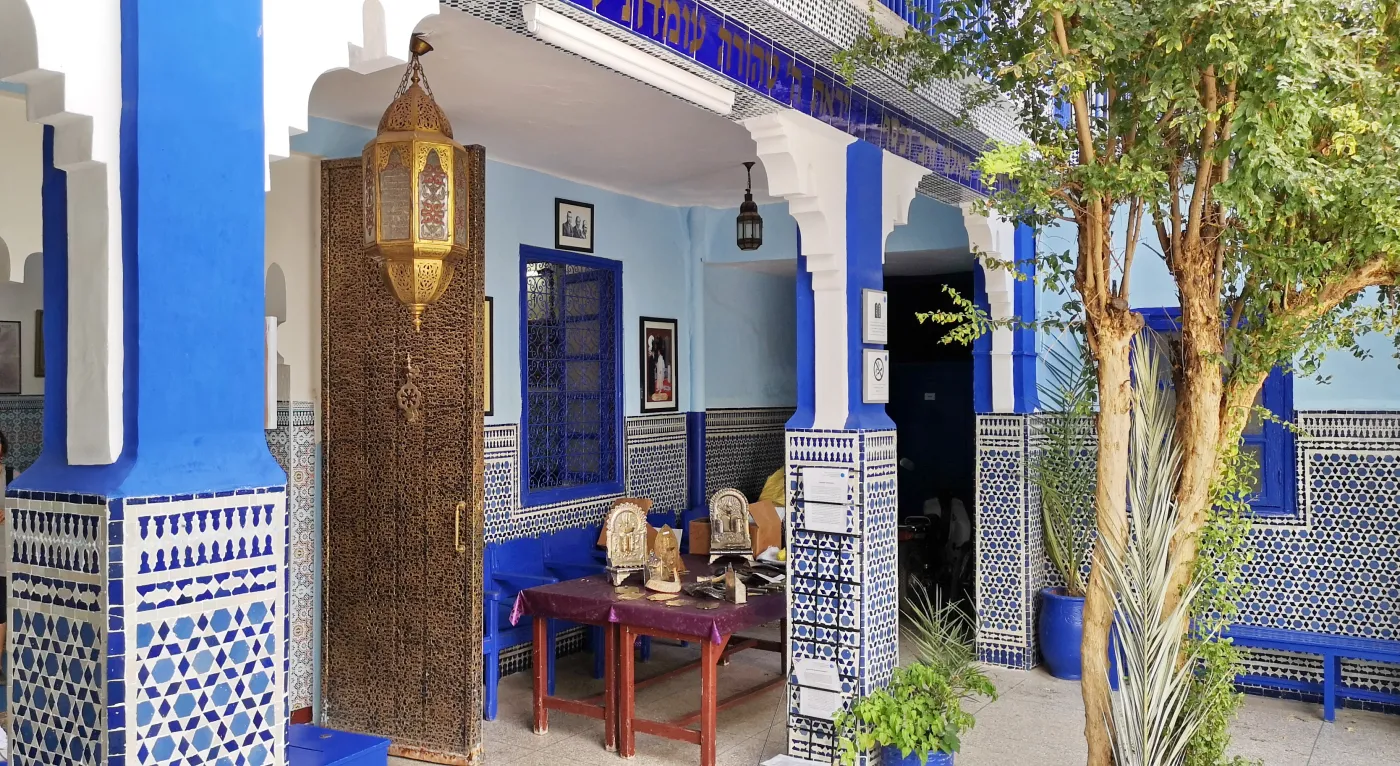
Six nights in Marrakech, with Shabbat at the 500-year-old Lazama Synagogue in the heart of the Mellah, still an active community today.
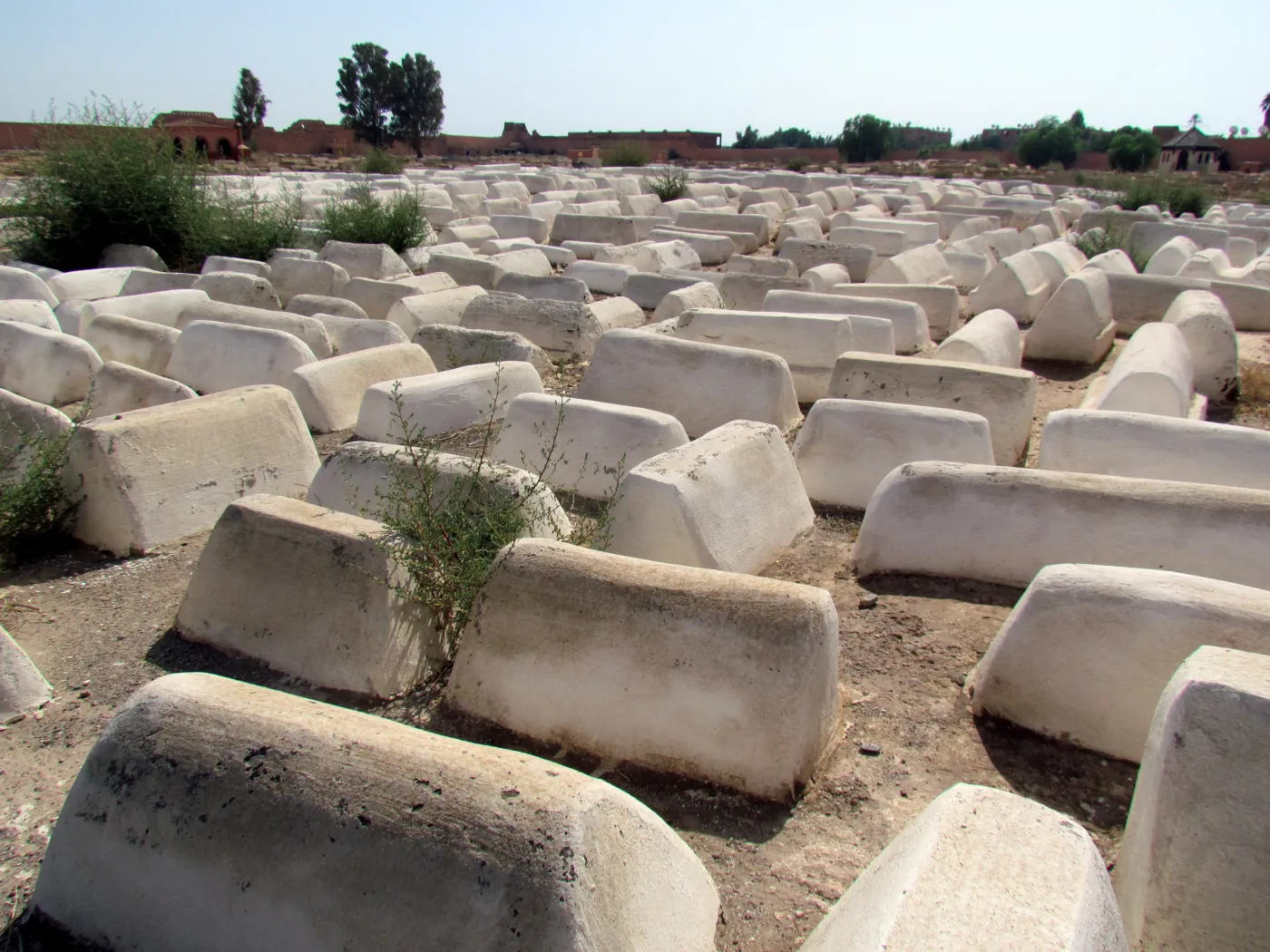
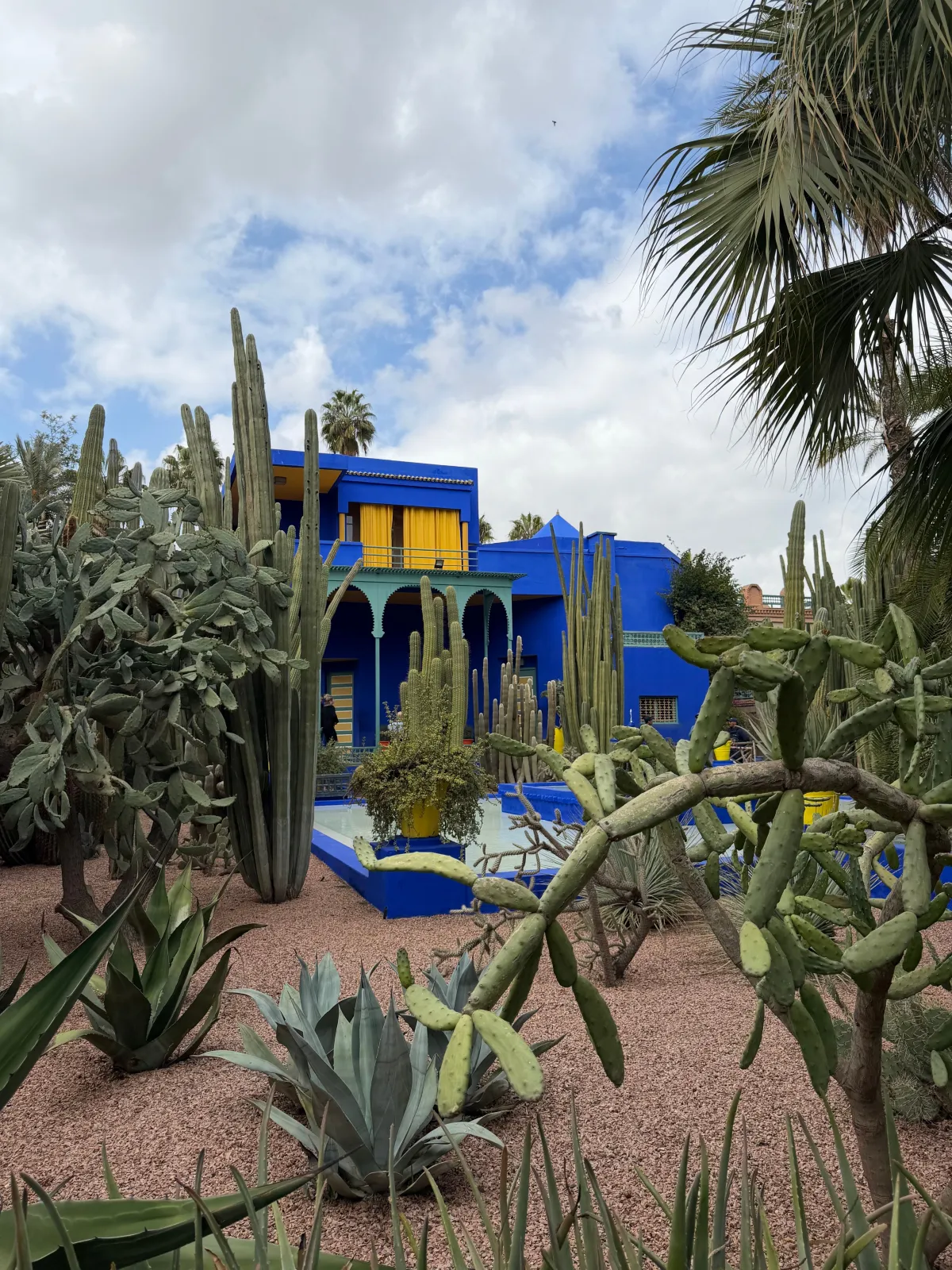
The first afternoon is for the Menara Gardens, the Bahia Palace, the Mellah and its cemetery, Jemaa El-Fna Square and the souks. Friday starts at the Majorelle Gardens and ends with Shabbat dinner with members of the local Jewish community. Shabbat itself is services at the Lazama Synagogue, festive meals and a quiet afternoon, and the last full day of the trip is free in Marrakech.
The imperial cities
Day two runs from Casablanca to Fes by way of Rabat, Meknes and the Roman ruins of Volubilis, with two nights in Fes.
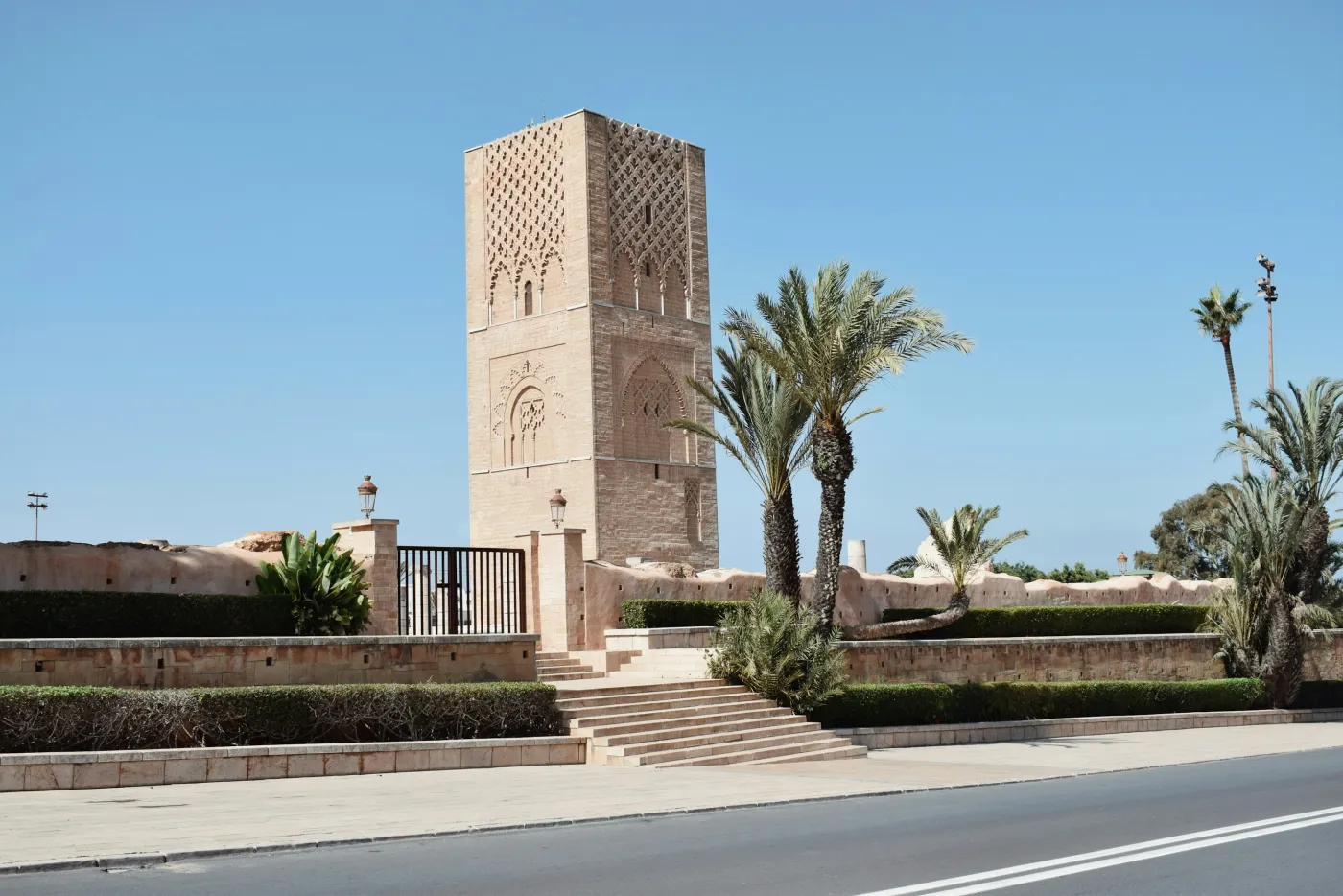
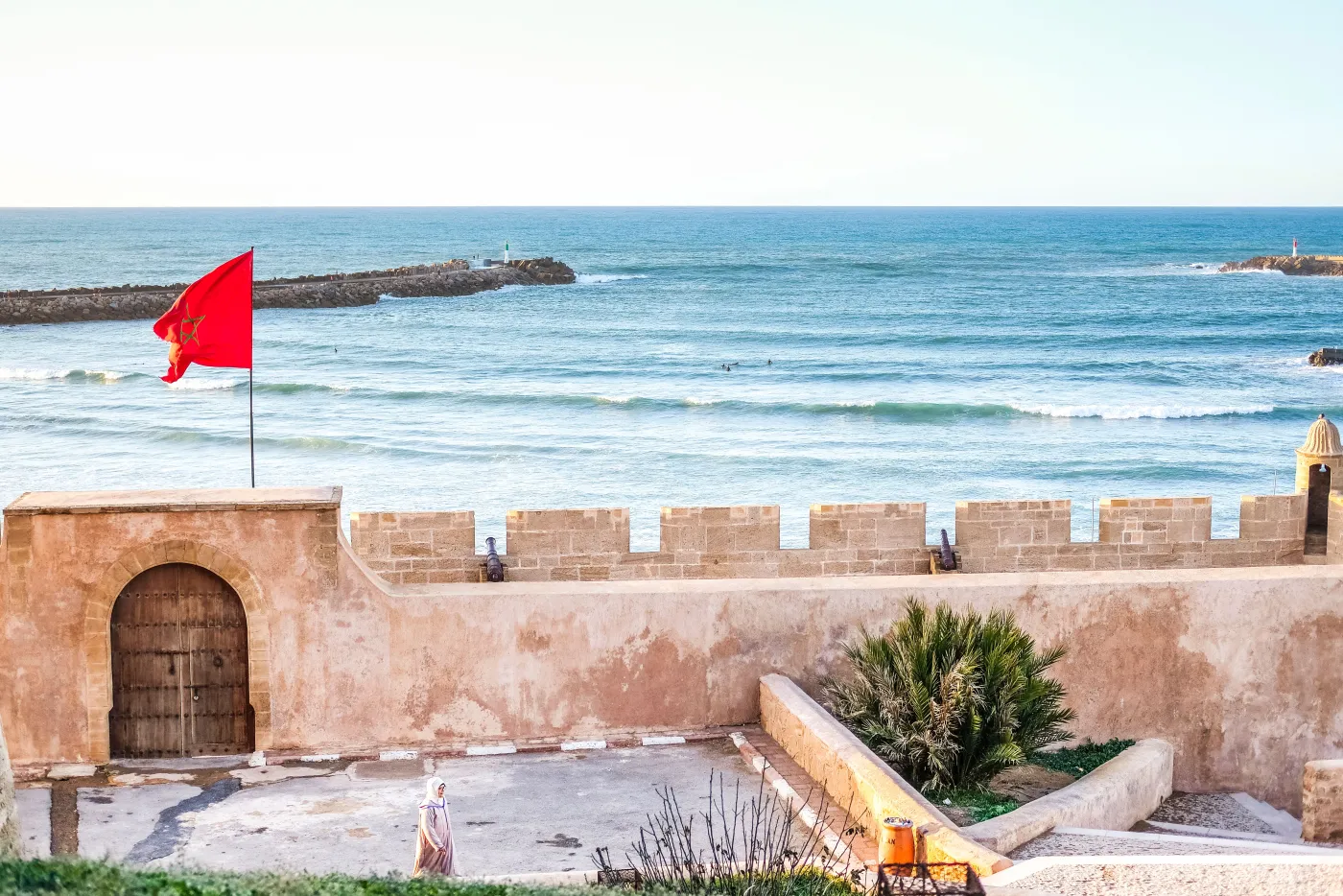
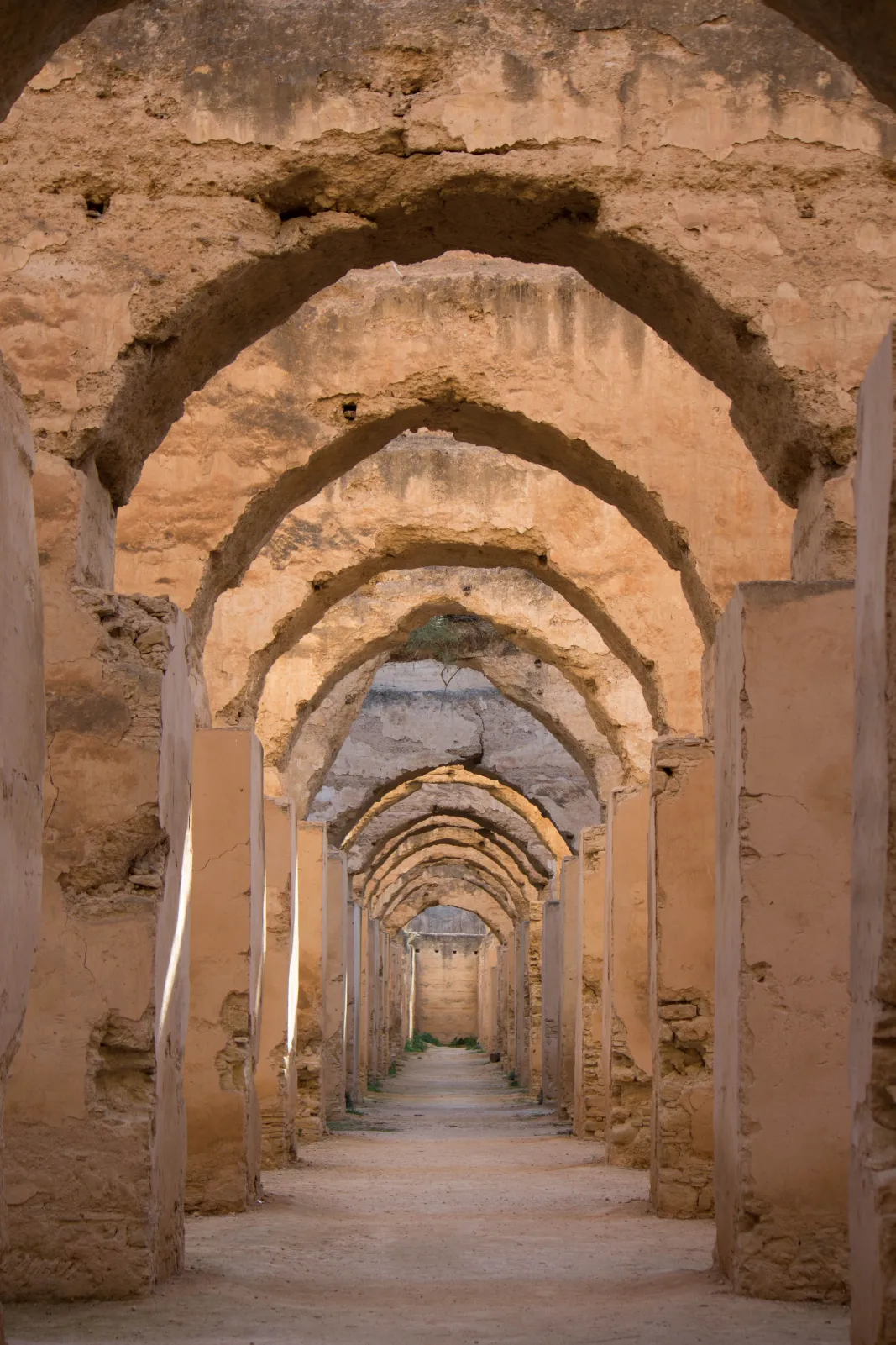
Casablanca's Hassan II Mosque, then Rabat's Kasbah and the Hassan Tower; Meknes for its gates and the royal stables; and Volubilis on the way to Fes. In Fes a full day goes to the medina, the Royal Palace and the Al-Attarine Madrasa.
Coast and mountains
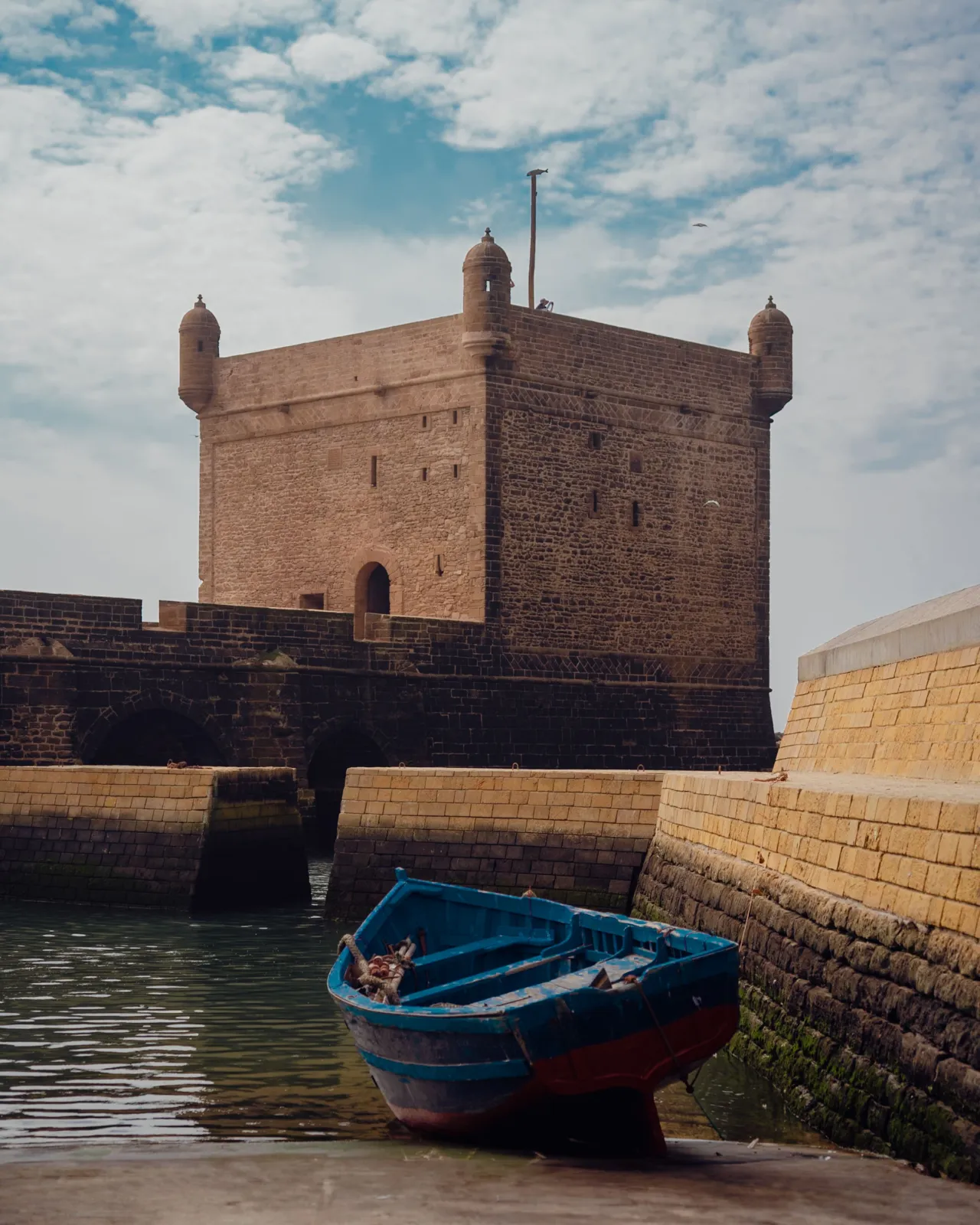
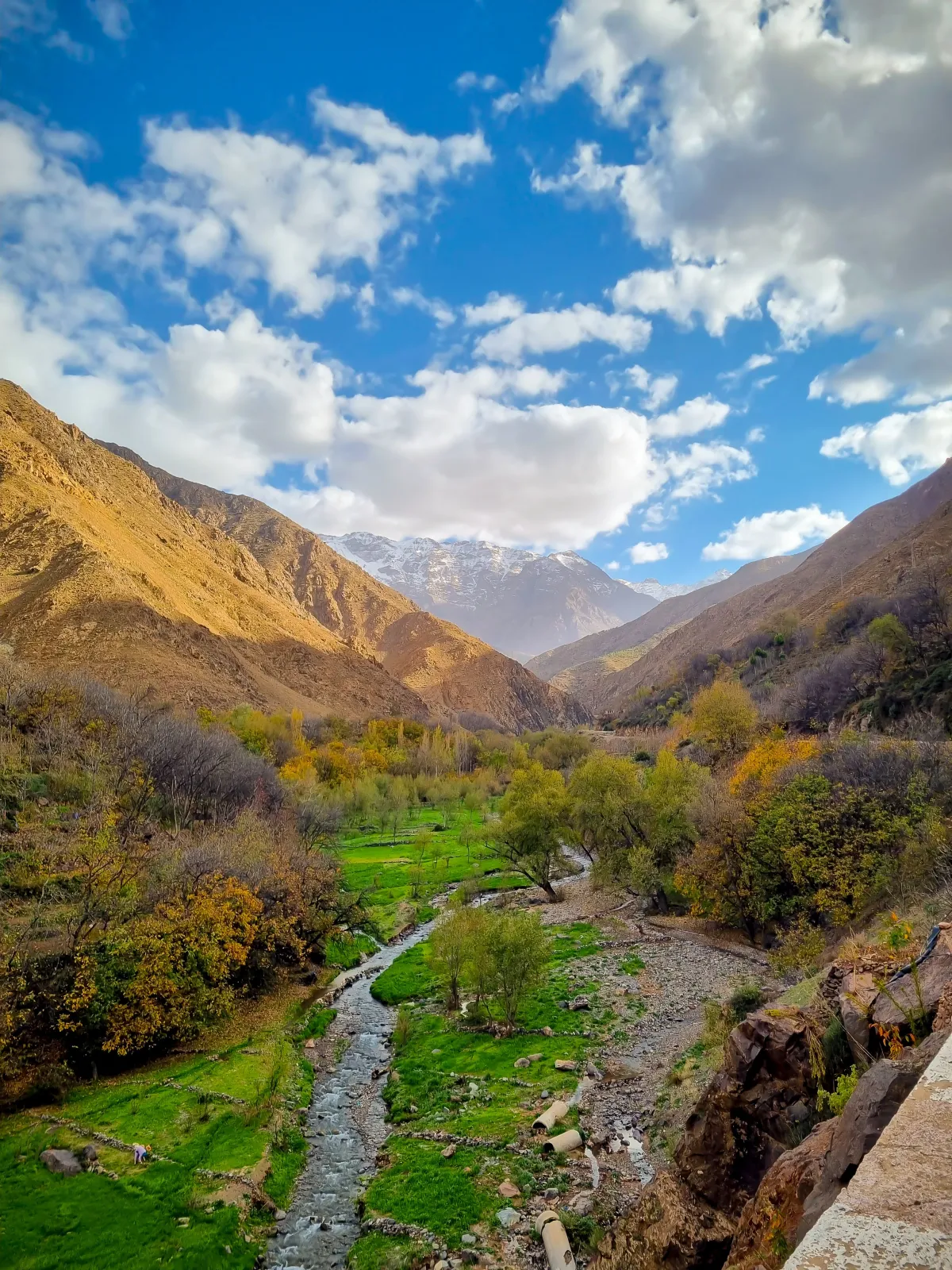
All three are day trips from Marrakech. The Ourika Valley in the Atlas Mountains brings tea and homemade bread with a local Berber family and the grave of Rabbi Shlomo Bel Hench. Essaouira is a full day on the Atlantic, with an argan oil cooperative on the way, the Portuguese Ramparts, the Kasbah and the artisan workshops. The Agafay Desert is an evening with optional camel rides and a farewell Glatt Kosher barbecue under the stars.
Questions
On your own it takes planning outside the main cities. With us every meal is Glatt Kosher Mehadrin, and where a hotel or restaurant cannot meet our standard, our own mashgiach and cook travel with the group.
In Fes, the Aben Danan Synagogue and the Jewish Mellah. In Casablanca, the Jewish Museum and the Beth-El Synagogue. In Marrakech, Shabbat at the Lazama Synagogue, the Mellah and the Miâara Jewish Cemetery. In Essaouira, the Chaim Pinto Synagogue and the old Jewish quarter. A local English-speaking guide who specializes in Jewish heritage is with the group all ten days.
No. Our Pesach programs are in Jerusalem, on the Kinneret and in Rhodes, and the Morocco trip is in November. Passover and Sukkot programs lists them.
Government travel advice is the place to check, and it changes. Read the current US State Department advisory for Morocco and the UK FCDO travel advice for Morocco before you book.
The Jewish quarter of a Moroccan city. The first was founded in Fes in 1438, and the trip walks the mellahs of Fes, Marrakech and Essaouira.
In Marrakech, at the 500-year-old Lazama Synagogue in the Mellah, with communal services and kosher meals.
November 8–17, 2027, from $5,900 per person, sharing a double room: Kosher Tour of Morocco, November 2027.
No. You book your own flights into and out of Casablanca; send us your flight times.
The world beyond the ordinary.
Shared journeys. Lasting friendships.
Memories that touch the soul.
Inquire
Call the line for your region, or send an inquiry and we will come back to you.
Speak to Shelley in reservations. Every missed call and message is returned.
Since 1991 · Glatt Mehadrin