
What is kosher catering?
Kosher catering is food prepared and served under Jewish dietary law, called kashrut, with a named authority supervising the kitchen. In practice that means three things. The ingredients are certified. The kitchen is supervised. Meat and dairy are kept apart, from the shopping list to the serving plate.
For an event, that adds up to a clear promise to your guests: everything on the table is kosher, and a named authority stands behind it. The Orthodox Union is one of the best-known kosher certifiers, and its site explains the basics of the system.
Event planning is a craft, and food is the part guests remember. Kosher catering suits a wedding, a bar or bat mitzvah, a corporate event or a quiet family dinner. This guide sets out what the standard involves, what the menus can look like, and what to ask before you book.
How does a kosher kitchen work?
A kosher kitchen follows rules at every step, and each one has a practical effect on what reaches your table.
- Ingredients are checked. Each ingredient is selected and verified against kosher law, so the caterer knows exactly what is in every dish.
- Meat and dairy stay separate. They are cooked and served with separate equipment, and never in the same meal.
- Supervision is built in. A mashgiach inspects the kitchen and confirms the food is kosher. Ask whether one is present for the whole event, not only for the preparation.
- Standards are regular. Because kosher certification involves repeated checks, a certified kitchen keeps a record of what it buys and how it cooks.
Many people find the discipline reassuring. You know where the food came from and how it was handled. Kosher law also sets rules for how animals are slaughtered, which is part of why many guests value a kosher table for ethical reasons as well as religious ones.
What can a kosher menu look like?
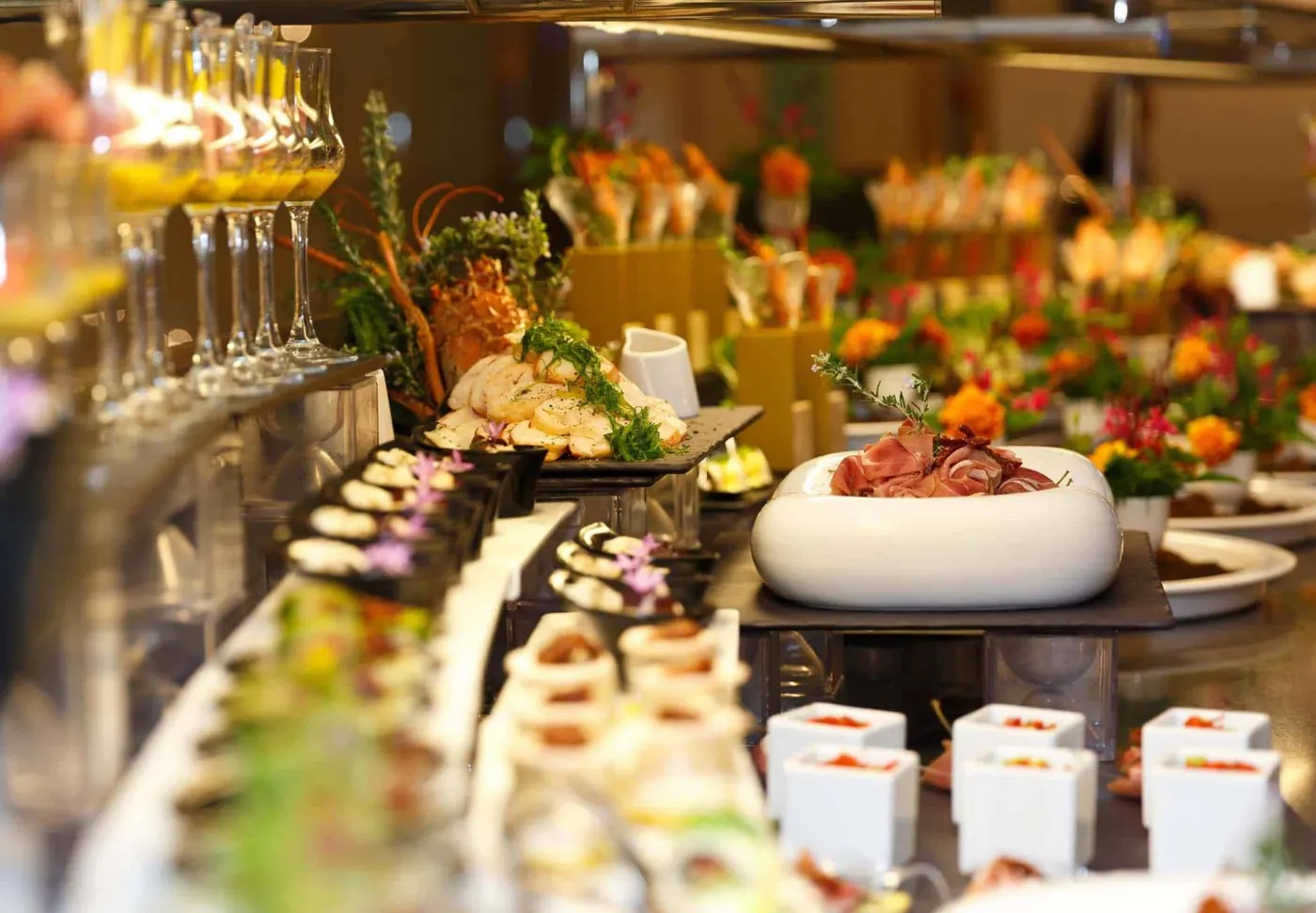
Kosher does not mean one cuisine. Modern kosher caterers cook from around the world: Mediterranean, Asian, Italian, American and Middle Eastern menus are all possible within kashrut. Many mix traditional Jewish dishes with current culinary ideas, so the result feels familiar and fresh together.
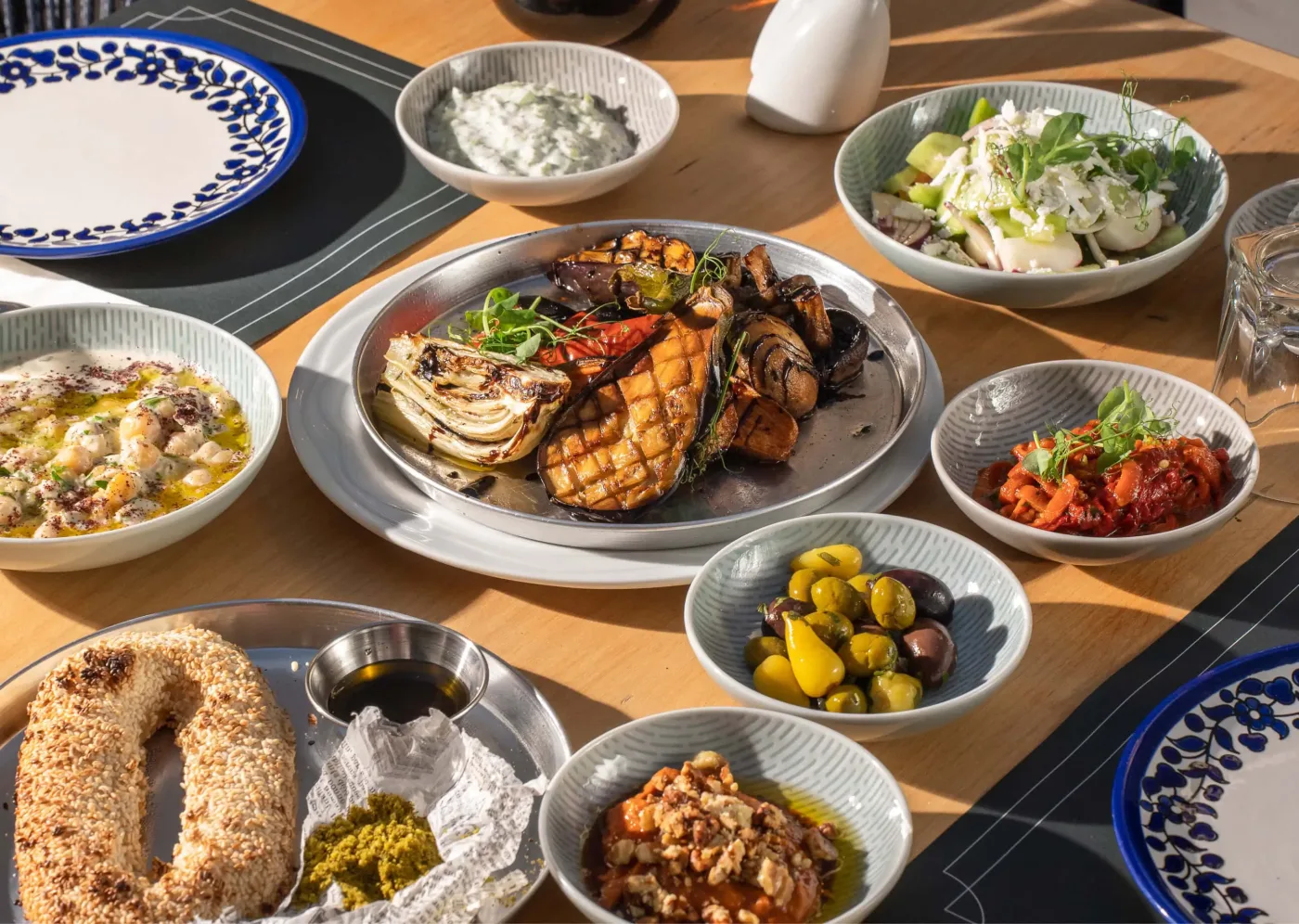
Good caterers match the menu to the occasion. A wedding calls for a different table from a corporate lunch, and the right kosher caterer will adjust the dishes, the pacing and the presentation to the theme. Fresh seasonal ingredients help, and a skilled kitchen builds the menu around what is good at that time of year.
Traditional Jewish dishes
For many events the traditional dishes are the point. A caterer who knows them well can serve the food a family grew up with, cooked the way it should be, and that gives guests who are less familiar with Jewish customs a taste of the tradition. It adds real cultural atmosphere to a celebration, especially one rooted in Jewish life.
Can kosher catering suit every guest?
Often it can, and that is one of its practical strengths.
- Observant guests can eat anything on the table without asking questions.
- Vegetarian guests are well served, because the separation of meat and dairy leads naturally to full dairy and pareve menus. Many caterers also offer vegan dishes.
- Guests with allergies may have gluten-free or nut-free options. Tell your caterer early, and ask how those dishes are prepared and labeled. A kosher certificate does not by itself make food allergy-safe.
- Guests with no restriction simply enjoy the food, which is cooked with care and good ingredients.
Many caterers also build menus around balance: protein, vegetables and grains, with lighter options alongside richer ones, for guests who are watching what they eat.

How do kosher caterers plan an event with you?
The best caterers start with a conversation. A detailed consultation covers the occasion, the guest list, the tastes and requirements of your family, and any dietary needs. From there the menu is built to fit.
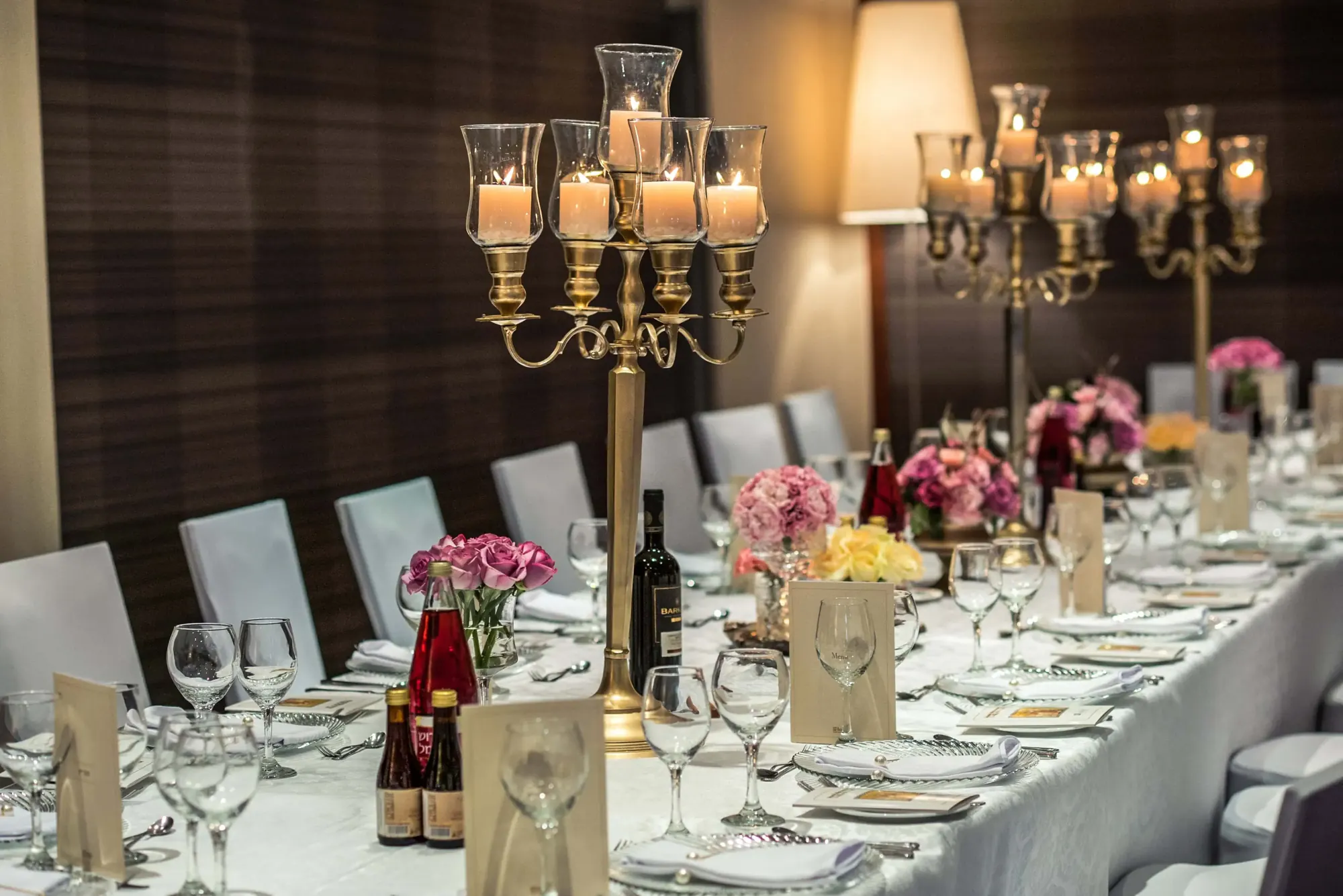
Look for flexibility. A good kosher caterer can adjust the menu and the presentation to your theme, and can add thoughtful details: custom decorations, a live station, or table settings that match the style of the event. The personal touch in service is what turns a good meal into a warm one.
Presentation matters too. Dishes are often plated with care, and displays can be built around the theme of the day. Attention to the detail of the table, from serving ware to place settings, is part of the same craft.
What should you ask before you book?
A few direct questions will tell you most of what you need.
- Who certifies the kitchen? Ask for the name of the kashrut agency and, if you like, a copy of the certificate.
- Is a mashgiach present throughout? Confirm that one is on site for the whole event.
- What is the standard? Some families want a particular level, such as Glatt Kosher or Mehadrin. Say so at the start.
- How will allergies be handled? Ask how special meals are prepared, labeled and served.
- What is included? Clarify service staff, equipment, setup and clean-up.
Travelers can ask the same questions of a hotel or a program. Our guide to kosher food standards when you travel abroad covers what to check, and the Pesach 2027 program at the Elysium Resort in Rhodes shows how a supervised kitchen is described in practice. The same standard applies to the kashrut supervision on our programs, and the same questions apply aboard ship on our kosher cruises. For more on eating kosher away from home, see our kosher travel tips. You can contact us with any question of your own.
Why does kosher catering make an event memorable?
Kosher catering gives a host three assurances: the food is kosher, the standard is checked, and every guest can eat. Add a thoughtful menu and good service, and the meal becomes part of what people remember about the day, whether it is a wedding, a family celebration or a business event. The tradition behind it is old. What guests notice is simple: careful food, well served.