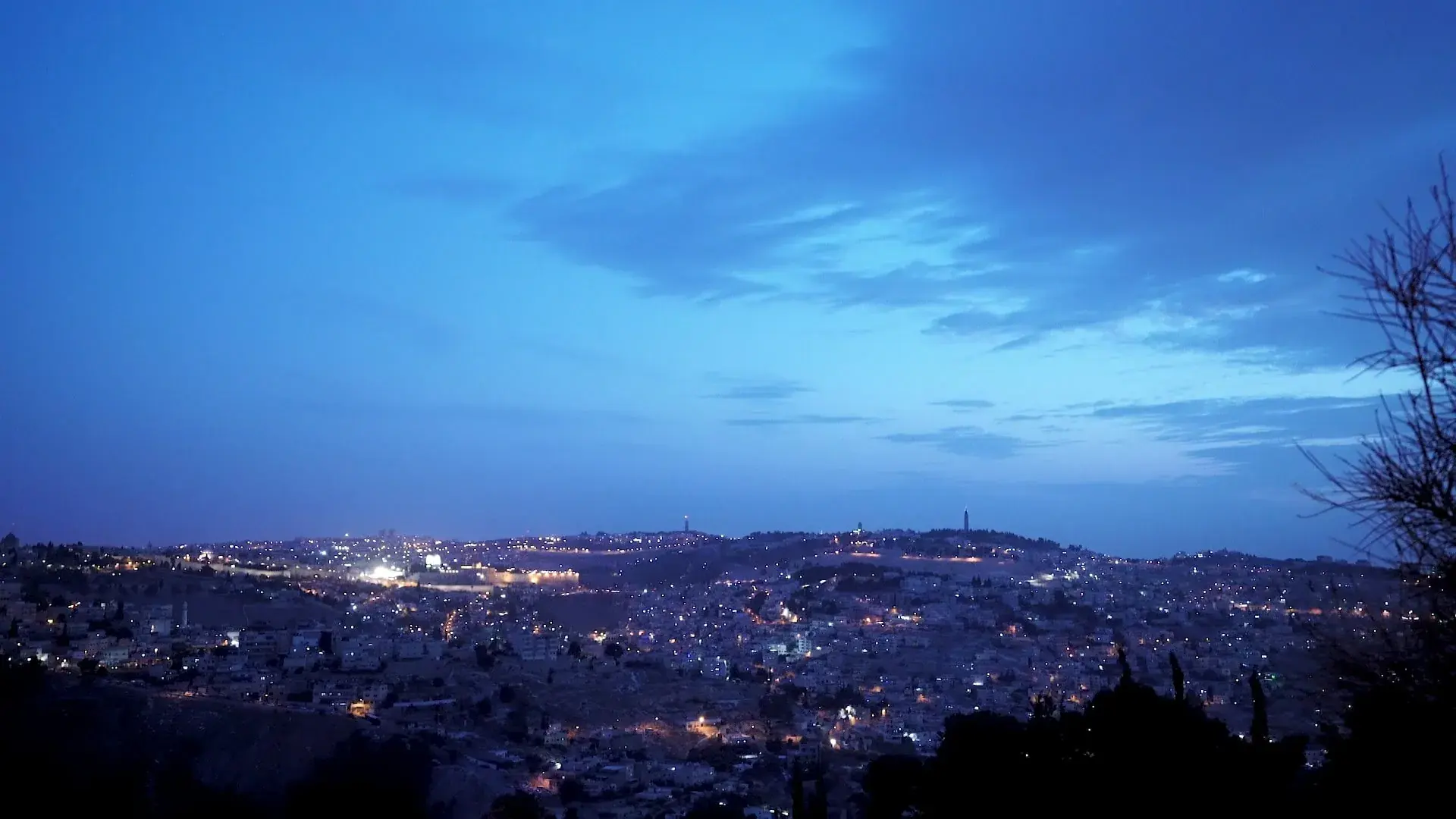
Why do guests choose kosher cruises in the Mediterranean?
A cruise is the simplest way to see a lot of one coastline. You unpack once, the ship moves while you sleep, and each morning you wake in a different port. For travelers who keep kosher, a cruise run for a kosher group adds the part that is usually hard on the road: the food, the supervision and Shabbat are arranged for you before you leave home.
The Mediterranean suits this well. The ports are close together, the history is deep, and a single week can take in Italy, France, Monaco and Greece. This guide covers what the route offers, how Jewish heritage fits into it, and what to look for when you compare kosher cruises. If you want the planning checklist rather than the destinations, start with our kosher cruising tips.
What does a kosher cruise add to an ordinary cruise?
Most of the difference is in the kitchen and the calendar, and both are things you can ask about.
- The food. Every meal on our cruises is Glatt Kosher Mehadrin, three meals a day, freshly prepared for the group by an executive kosher chef under mashgichim, and served in a dining area of our own.
- Shabbat. It is kept together, at sea or in port, with the Shabbat meals and services.
- Tefillah. A Sefer Torah sails with the group and there is a minyan every day.
- The program. A weekday and Shabbat schedule, with lectures on the days at sea.
None of this depends on the port you are in, which is the point. The ship can be in Marseille or Corfu, and the table, the minyan and Shabbat look the same.
Which Mediterranean ports do our kosher cruises visit?
Each cruise has its own route, and each has a page with the day-by-day detail.
- Rome to Barcelona and Barcelona to Rome aboard the Norwegian Epic, 7 nights. The ports are Marseille, Nice and Monaco, Florence and Pisa, Sicily and the Amalfi Coast.
- Rome to Venice aboard the Norwegian Gem, 7 nights. The Amalfi Coast, Sicily, Corfu in Greece, Kotor in Montenegro, Split in Croatia and Koper in Slovenia, ending at Ravenna, the port for Venice.
- Lisbon to Barcelona aboard the Norwegian Star. Tenerife and Lanzarote, Agadir and Casablanca in Morocco, then Seville and Motril in Spain.
Between them these cruises touch Italy, France, Monaco, Greece, Montenegro, Croatia, Slovenia, Spain, Portugal and Morocco. Not every sailing has dates yet, so check the page for the latest.
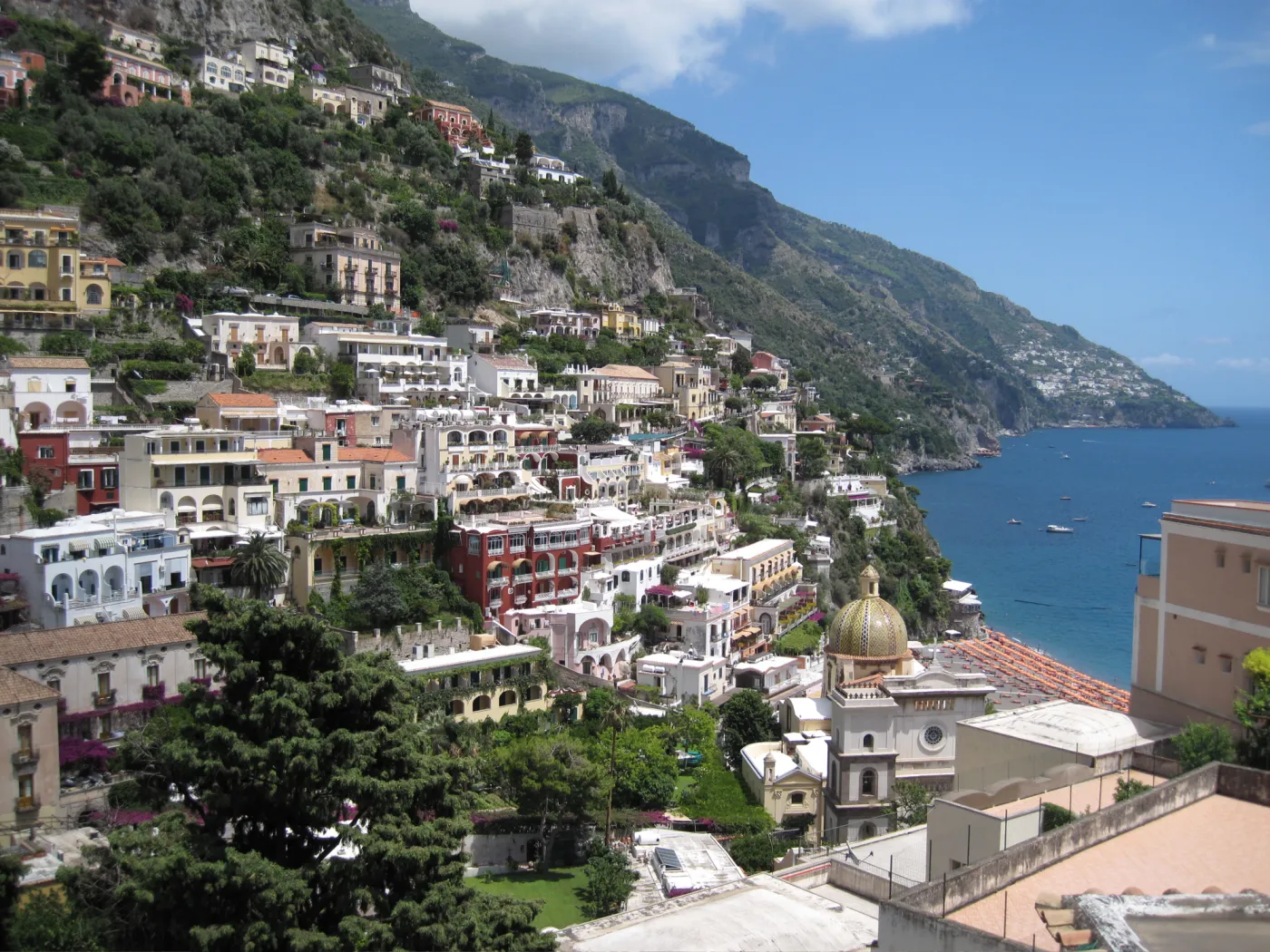
Where does Jewish heritage fit into a Mediterranean itinerary?
Jewish communities have lived around the Mediterranean for well over a thousand years, and many ports still show it. A few examples from the region:
- Barcelona. The medieval Jewish quarter, known as the Call, sits inside the Gothic Quarter. Walk the narrow streets with a guide who knows what to look for.
- Sicily. Jews lived on the island for centuries, until the expulsion of 1492.
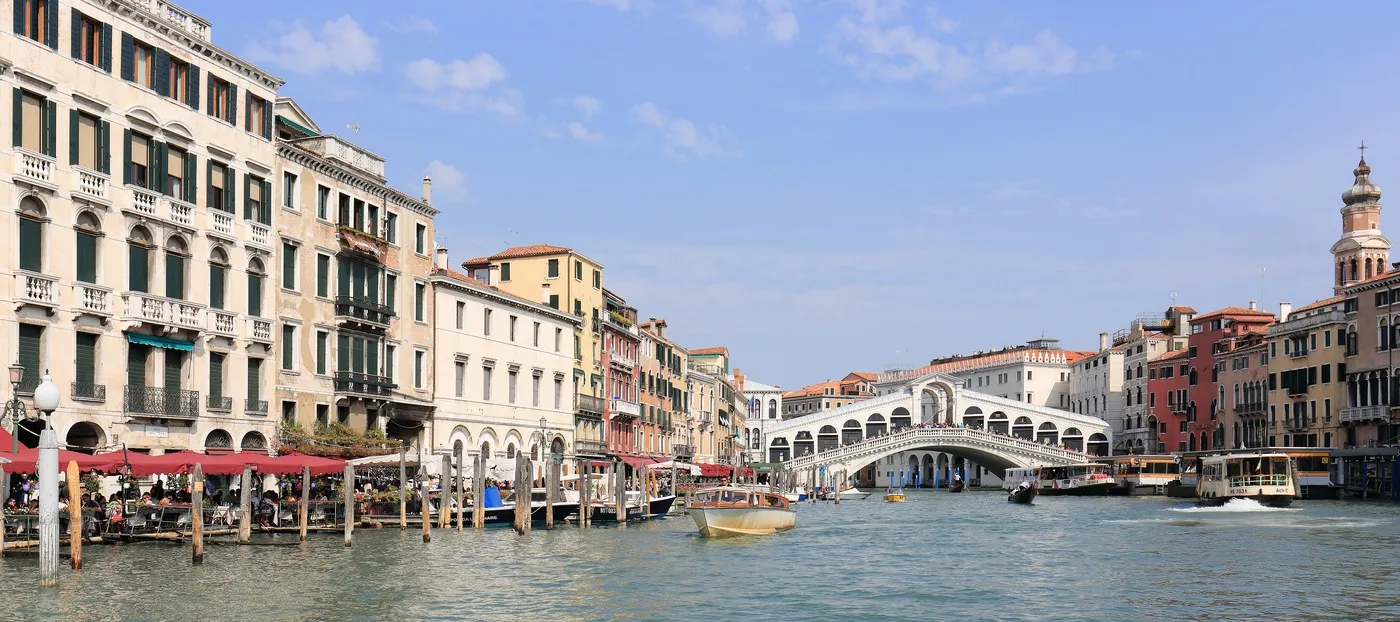
- Venice. The Ghetto, founded in 1516, gave the world the word. It is the stop to plan around if your sailing ends at Ravenna.
- Rome. The Jewish community there is one of the oldest in Europe. The Jewish Museum of Rome sits in the old Ghetto, beside the Great Synagogue.
Some cruises go further. Our Rhine river cruise is built around the Jewish heritage of the Rhine: Speyer, where Shabbat is kept in port, Worms with Rashi’s synagogue and the old Jewish cemetery at Worms, and Mainz. Speyer, Worms and Mainz are the ShUM cities of the Rhine.
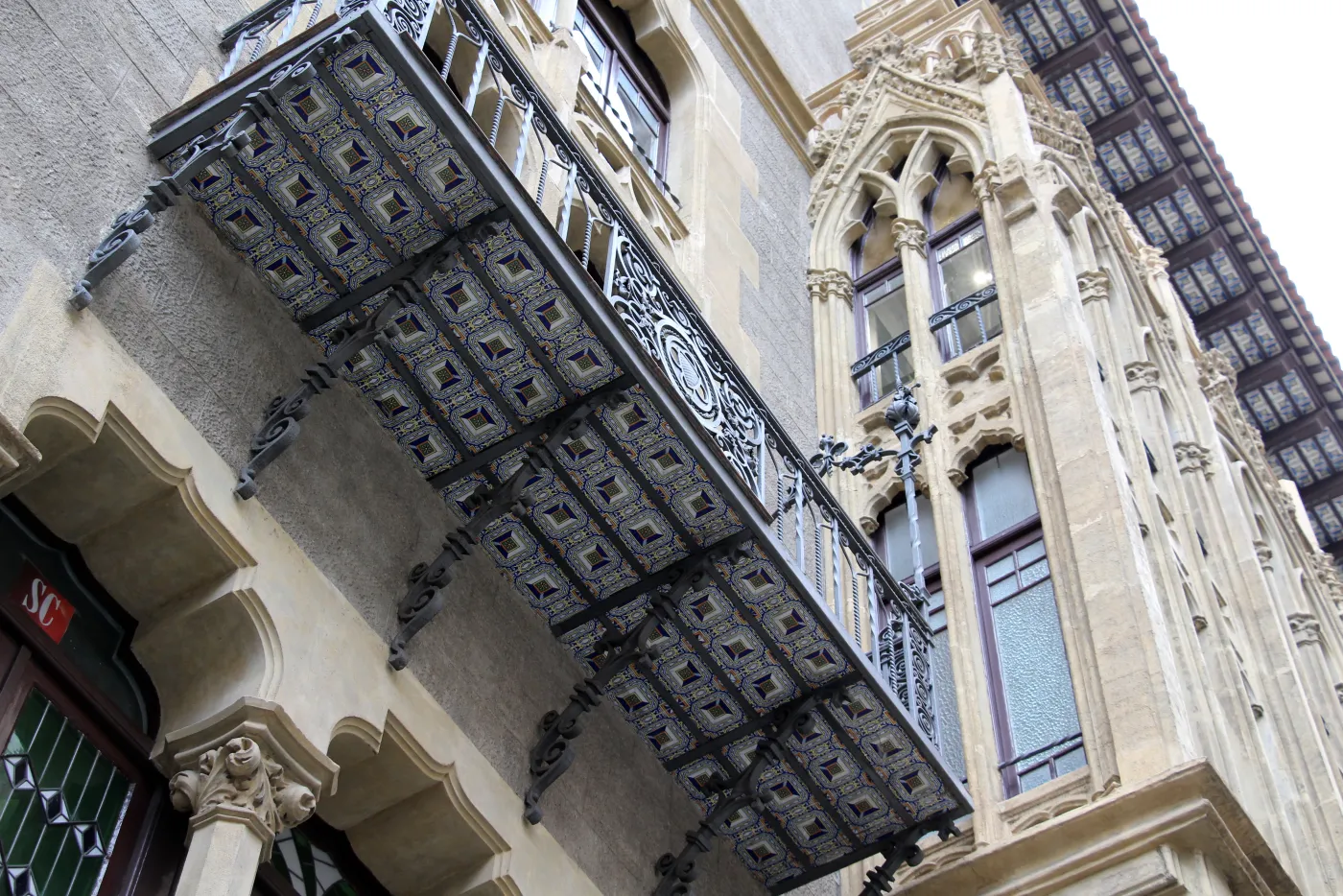

Is it hard to eat kosher in the ports?
In most Mediterranean ports, finding a kosher meal ashore is difficult, and outside a few larger cities it is not possible. This is the practical reason to choose a cruise that arranges its own meals.
On our cruises a packed lunch goes ashore with the group on the days in port, and dinner is back on board. If you are planning your own port days, look at the excursions first, decide which ones need lunch, and pack a few shelf-stable snacks you already trust.
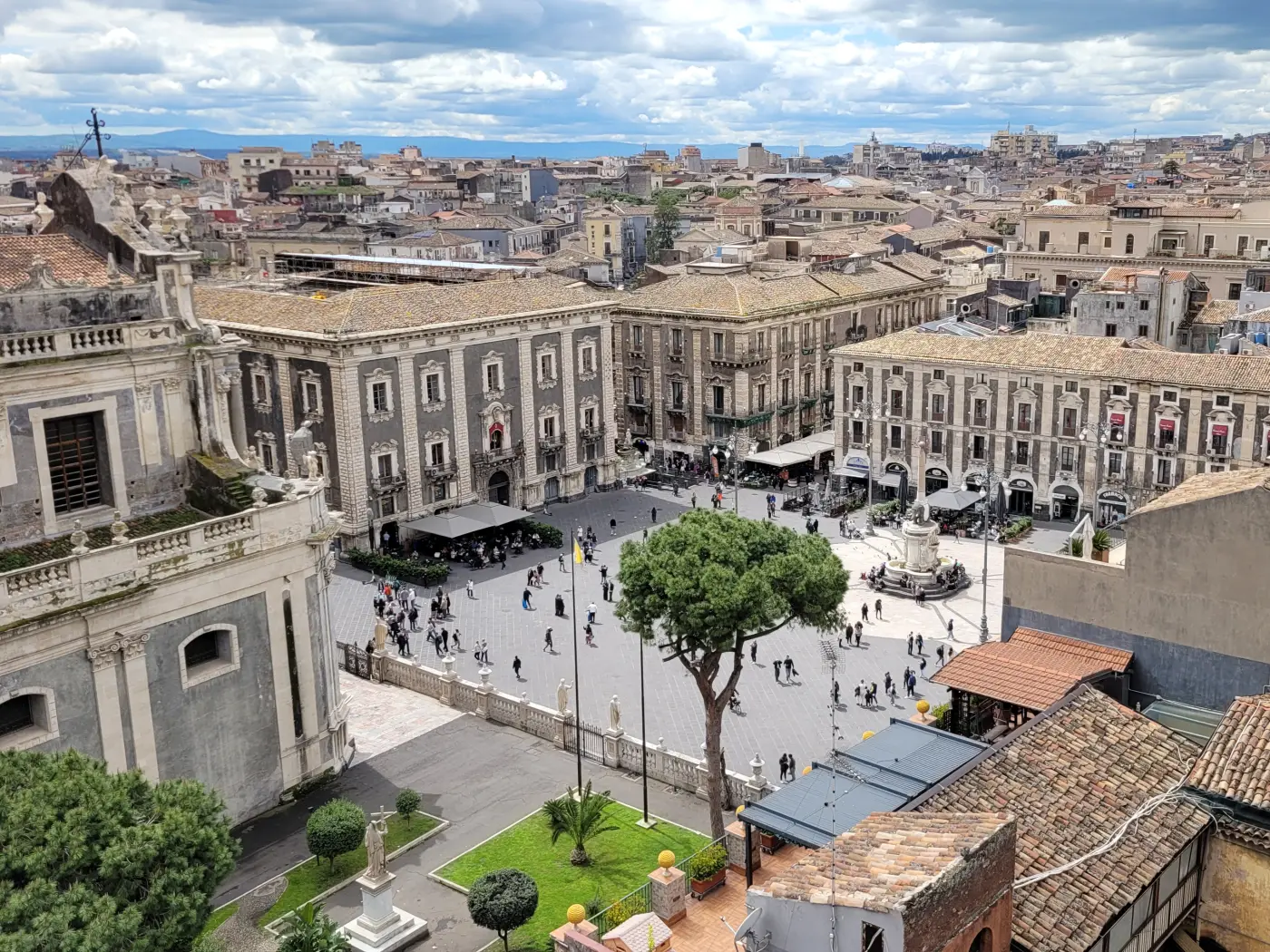
How do you choose between kosher cruise itineraries?
Do not count ports; read what you will do in each one. A cruise with 9 ports and a morning in each is a different trip from one with 6 and a full day at the places that interest you.
Look at four things:
- Shabbat. Is it at sea or in port, and how many are there on the sailing? A 7-night cruise holds at least 1.
- Time in port. Some ports give you a full day; others give a few hours before the ship sails.
- Heritage and culture. Which ports have a synagogue, a museum or an old Jewish quarter you want to see, and is there time for it?
- The length. Seven nights suits a first cruise. A longer route suits guests who want to cover more.
Our kosher cruises page lists every sailing with its ports and dates side by side.
What does a week on a kosher cruise feel like?
On a port day the group goes ashore in the morning for a tour or a walk, with a packed lunch. On a sea day there are lectures and time on deck. Evenings are the group: dinner, and a minyan in the morning to begin the next day.
On Shabbat the group keeps the day together, whether the ship is in port or at sea. The meals are at the table and the services are with the group, so nobody has to go looking for anything.
To ask about a sailing, contact us with your dates and who is traveling.