
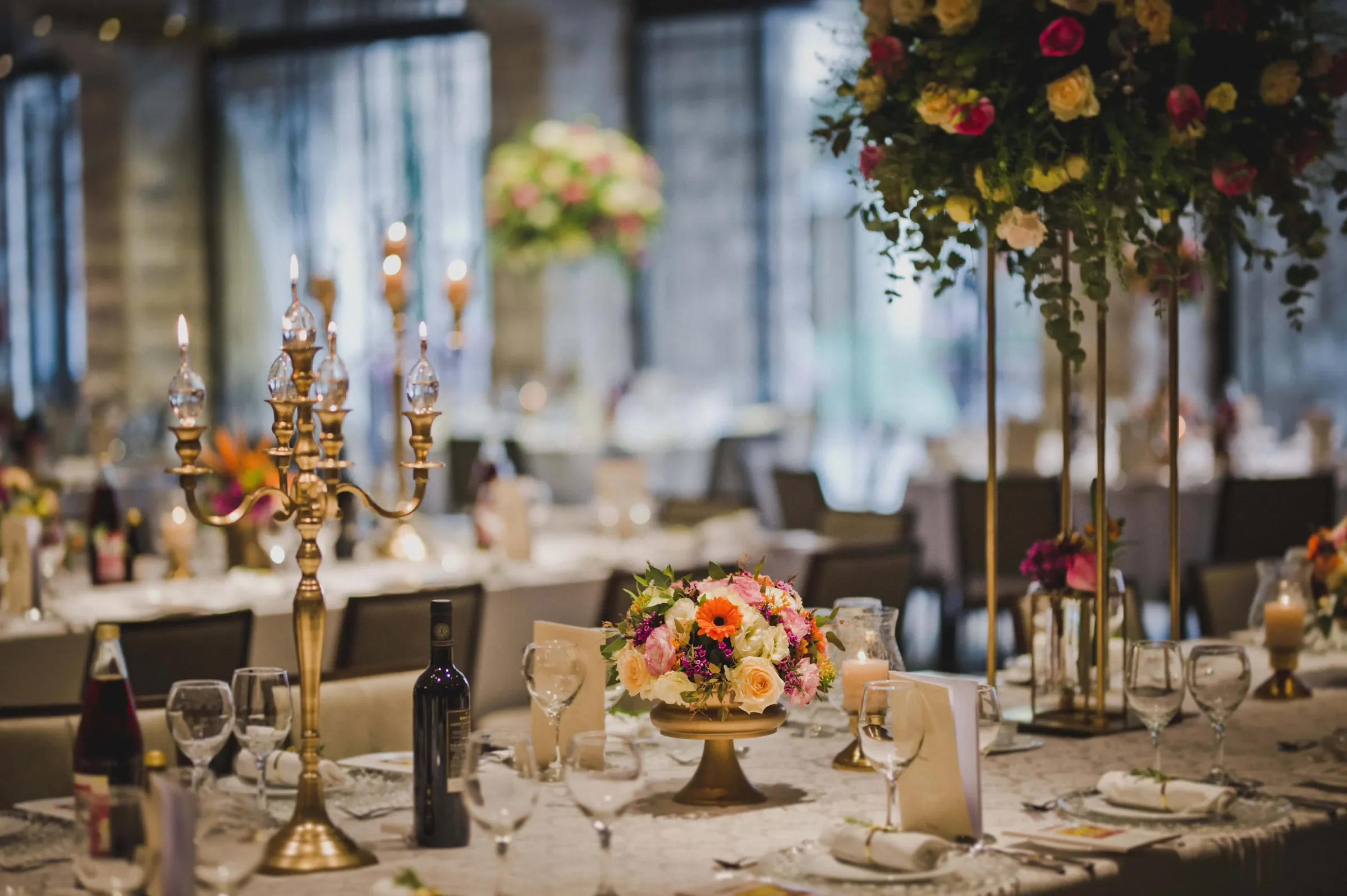
Passover, Pesach in Hebrew, is the time of year when families and communities come together to remember the Exodus and, with it, who they are. It is a family album of resilience, freedom and shared tradition, opened once a year and handed to the next generation.
If you want to feel closer to your Jewish roots, Pesach is the easiest place to start, because the festival is built for it. Five steps, in the order below, give you a way in.
How do you embrace tradition at the Seder?
The Seder is the heart of Pesach. It follows a fixed order of 15 steps, set out in the Haggadah, from the blessing over the first cup of wine to the closing songs. The order is deliberate. The Seder exists so that each generation can tell the story of liberation to the next, in the same sequence, around the same kind of table.
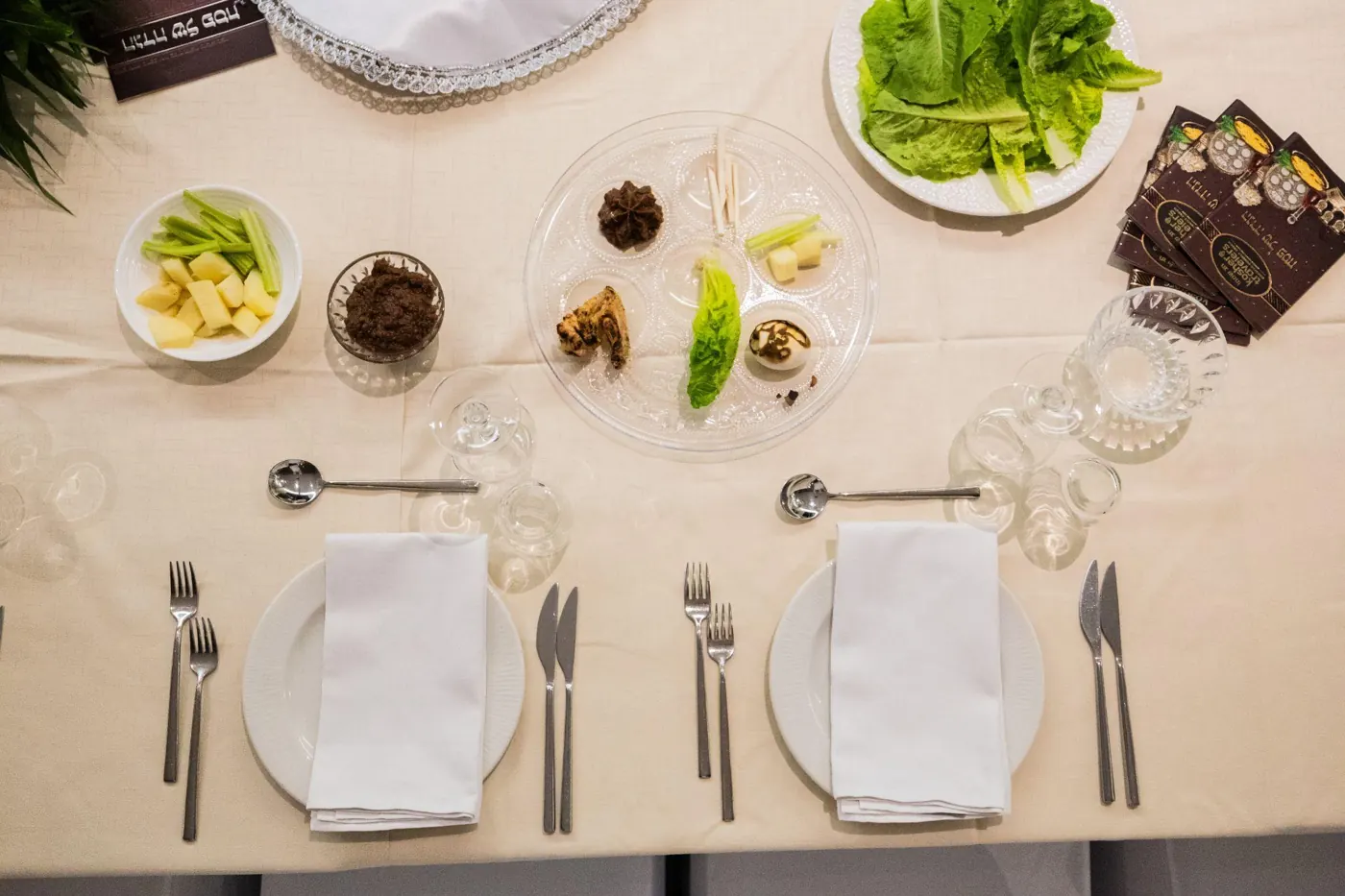
Three foods on the Seder plate carry the story:
- Matzah, the unleavened bread, stands for the haste with which the Israelites left Egypt, when there was no time for the bread to rise. It is also the simple bread of a journey.
- Maror, the bitter herbs, stand for the bitterness of slavery. Eating it is a way to feel what the story describes.
- Charoset, the mixture of fruit, nuts and wine, stands for the mortar the Israelites used in their labor. Its sweetness sits against the bitterness of the maror, as hope sits against hardship.
What are the elements of the Seder plate?
The Seder plate holds six items: maror, charoset, karpas (a green vegetable), a roasted shank bone, a roasted egg and, on many plates, a second bitter herb, chazeret. The three foods above are the ones that carry the story most directly. Each item on the plate answers a question the Seder asks. When you invite family and friends to the table, you also bring people into a chain of tellings that goes back thousands of years. For the dates of the chag in any year, see Passover 2027 dates or check Hebcal.
How do you learn your family’s story?
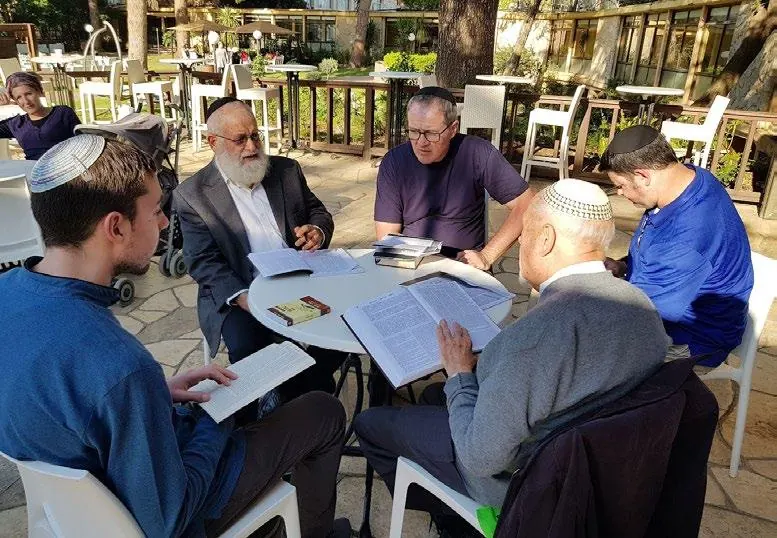
Every family has a Passover story of its own. It might be a grandmother’s recipe, a song one uncle always sings, or a Seder held in another country, in another language, in hard circumstances.
Sit with the older members of the family before Pesach and ask:
- What do you remember of Passover as a child?
- Where were the Seders held, and who was at the table?
- Which dishes, melodies or sayings do we keep from that time?
- Is there a story about a Passover that was difficult or unusual?
Write the answers down or record them. A single page, or a ten-minute voice recording, is enough to begin. Over time it can become a family scrapbook or a small history project, and it will outlast the memory of the person telling it.
Which Jewish texts are worth reading at Passover?
The Exodus story is the foundation. The book of Exodus tells of the enslavement in Egypt, the plagues, the crossing of the sea and the journey toward freedom. Reading it before the Seder, rather than hearing it only in outline, puts the evening in its setting.
Beyond the text itself, there are three ways to go deeper:
- The Haggadah. Read it through before the Seder, not for the first time at the table. Many editions include commentary, which gives the evening more to talk about.
- The commentators. Jewish scholars have added layers of meaning to the story for centuries. Even a short commentary on one passage can change how you hear it.
How do you connect with the Jewish community at Pesach?
Heritage is lived with other people. Pesach makes that easy, because communities open their doors for it.
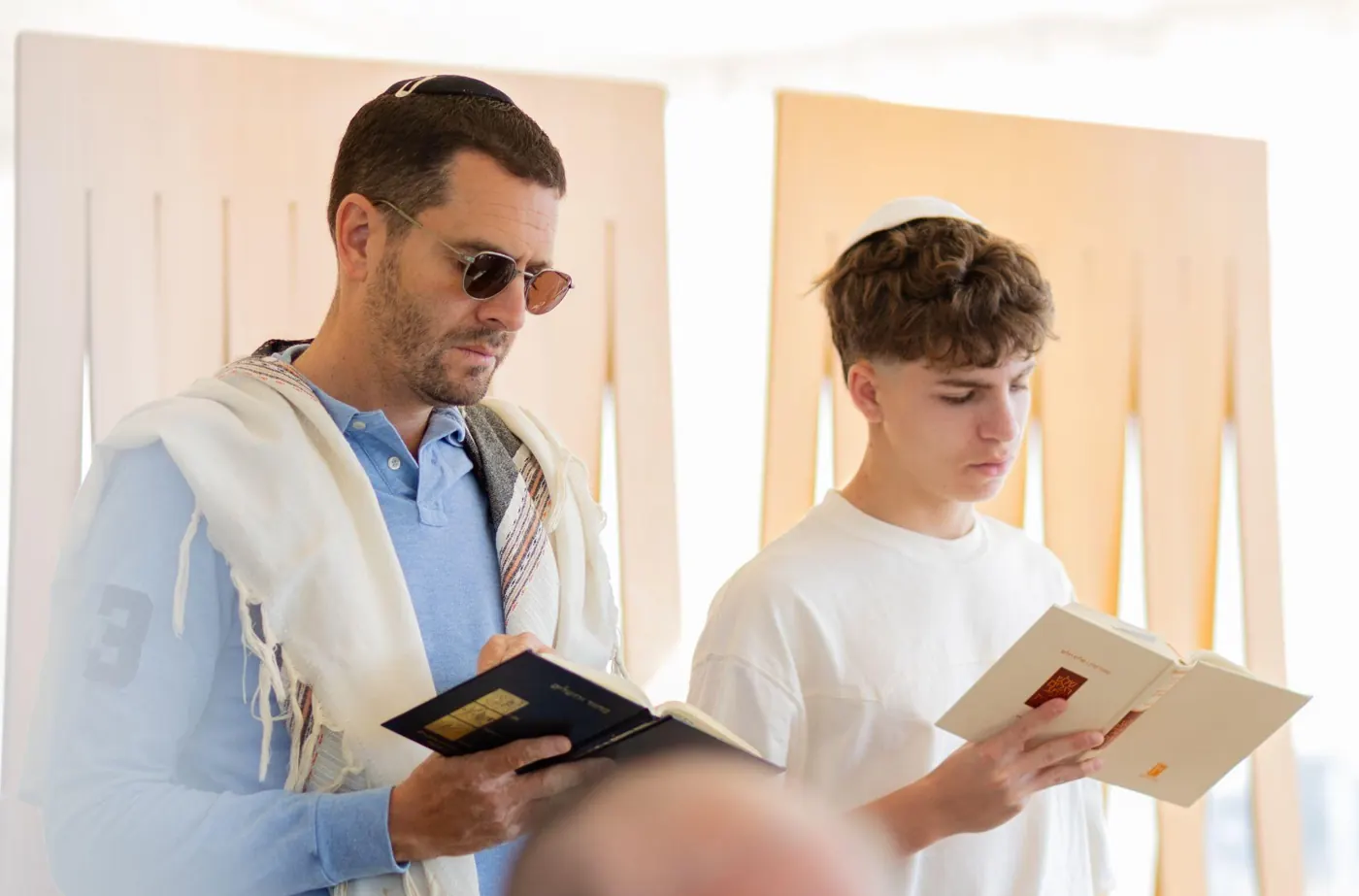
- Services. Join the Pesach services at a local synagogue or Jewish community center. Praying and singing in a group is among the quickest ways to feel part of something.
- Giving. The season is a time for charity, and many Jewish organizations run Pesach projects, such as packing and delivering meals for families who need them. Taking part puts the idea of tikkun olam, repairing the world, into practice.
If you would like the whole week arranged around a community, a program is another route. Guests share meals, services and Seders for the week. Our Pesach and Sukkot programs page lists where we run them, and Pesach in Israel describes how the festival is kept in the land itself. Passing traditions down on a heritage journey looks at the same idea on the road.
How do you pass traditions down?
A tradition lives only as long as the next generation takes it up. Some practical ways to do that:
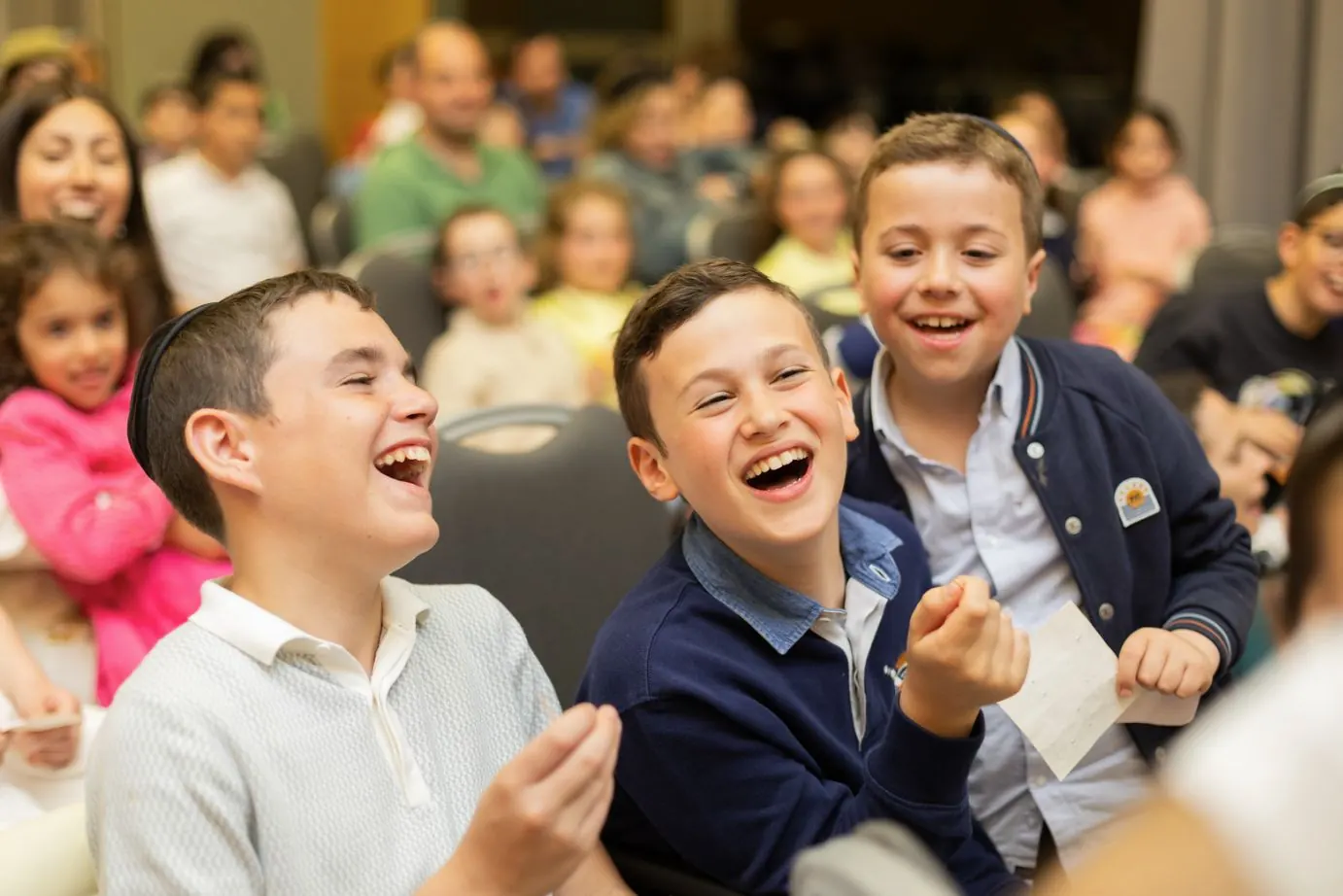
- Give children a job. Setting the table, arranging the Seder plate and helping to cook are all things a child can do, and doing them makes the Seder theirs.
- Let them take part in the ritual. Ask the youngest to recite the Four Questions (the Mah Nishtanah), read a passage of the Haggadah or search for the Afikomen, the piece of matzah hidden during the meal.
- Welcome their questions. Pesach is the one night built around asking. Encourage children to wonder about the plagues, the Seder plate and why the night differs from all other nights.
- Record it. Keep a Passover journal, or film a short interview with an older relative. These become keepsakes for the next generation.
What should you do next?
Pick one of the five steps and do it this year. Read the Haggadah a week early. Ask one relative one question. Invite someone new to the table. Small steps add up, and each one makes the following year’s Seder richer.
Pesach is more than a holiday. It is a yearly reminder of where the family comes from and what it stands for. When you sit down and tell the story of the Exodus, you are taking part in it. If you would like to talk through a Pesach program for your family, speak to us and tell us what matters most to you.