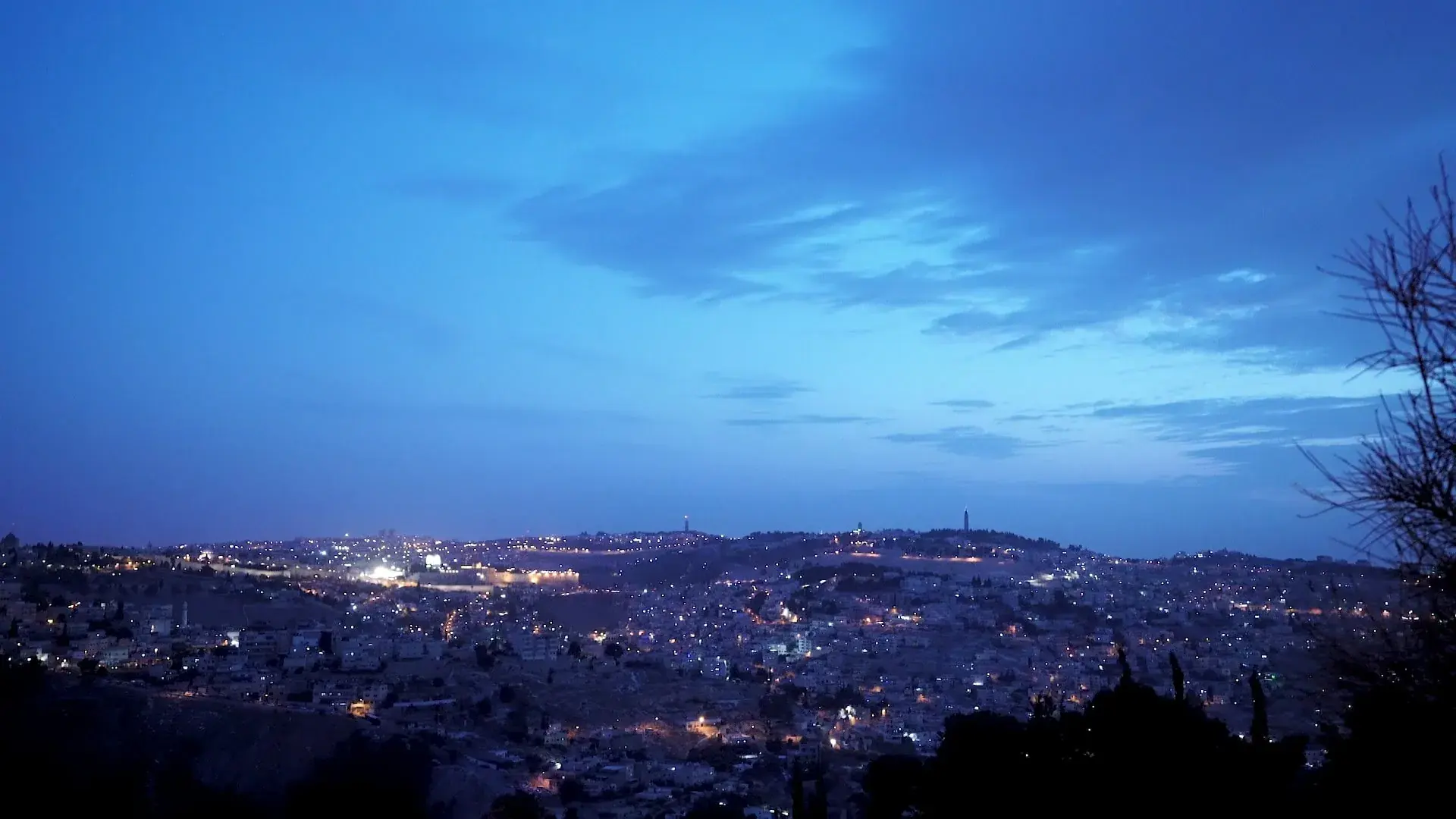

India holds a vibrant Jewish heritage inside a country of many faiths. Jews have lived here for more than a thousand years, and three communities, each with its own story, still shape what a visitor sees.
A Jewish India tour is a trip of culture and memory, and it goes better with some planning. These are the five things to get right: the history, the people you travel with, the sites, the food and the customs.
1. Who are the Jews of India, and what history should you know before a Jewish India tour?
Jews have lived in India for more than a thousand years, and today the Jewish community in India is small but active. Three communities make up the story, and Indian Jews are better known by the names of those three. Know the outline of each, and the synagogues will mean more.
The Bene Israel. One of the oldest Jewish communities in India. By their own tradition, their ancestors were shipwrecked on the Konkan coast, and they settled in villages of what is now Maharashtra, then in Mumbai and Pune. They blended Indian and Jewish customs into traditions of their own.
The Baghdadi Jews. They arrived in the 18th and 19th centuries from Iraq and the wider region, drawn by trade. Their arrival coincided with British rule and the growth of Indian commerce, and they became prominent in Mumbai and Kolkata. They kept their own customs and added to the variety of Jewish life in the country.
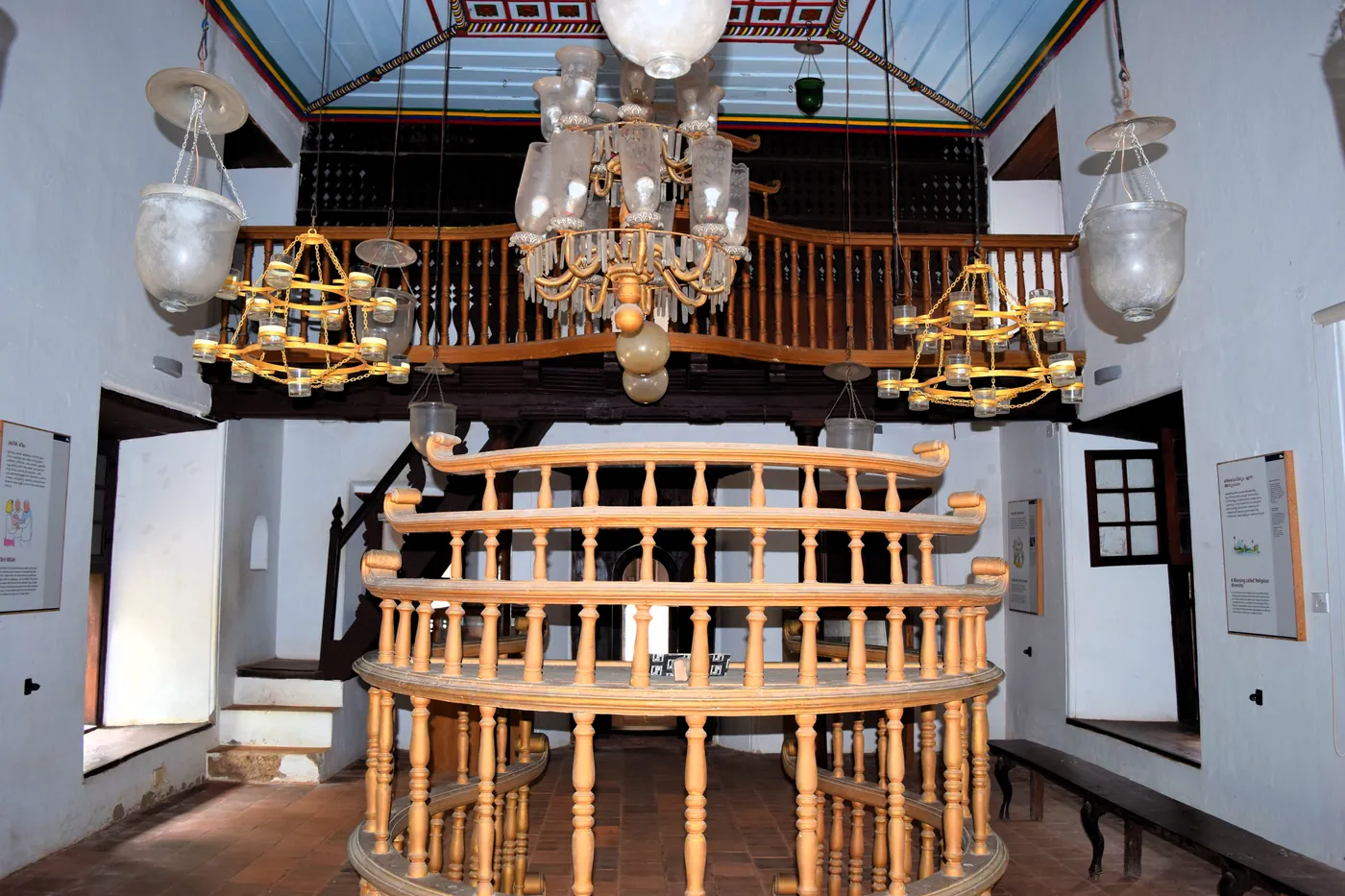
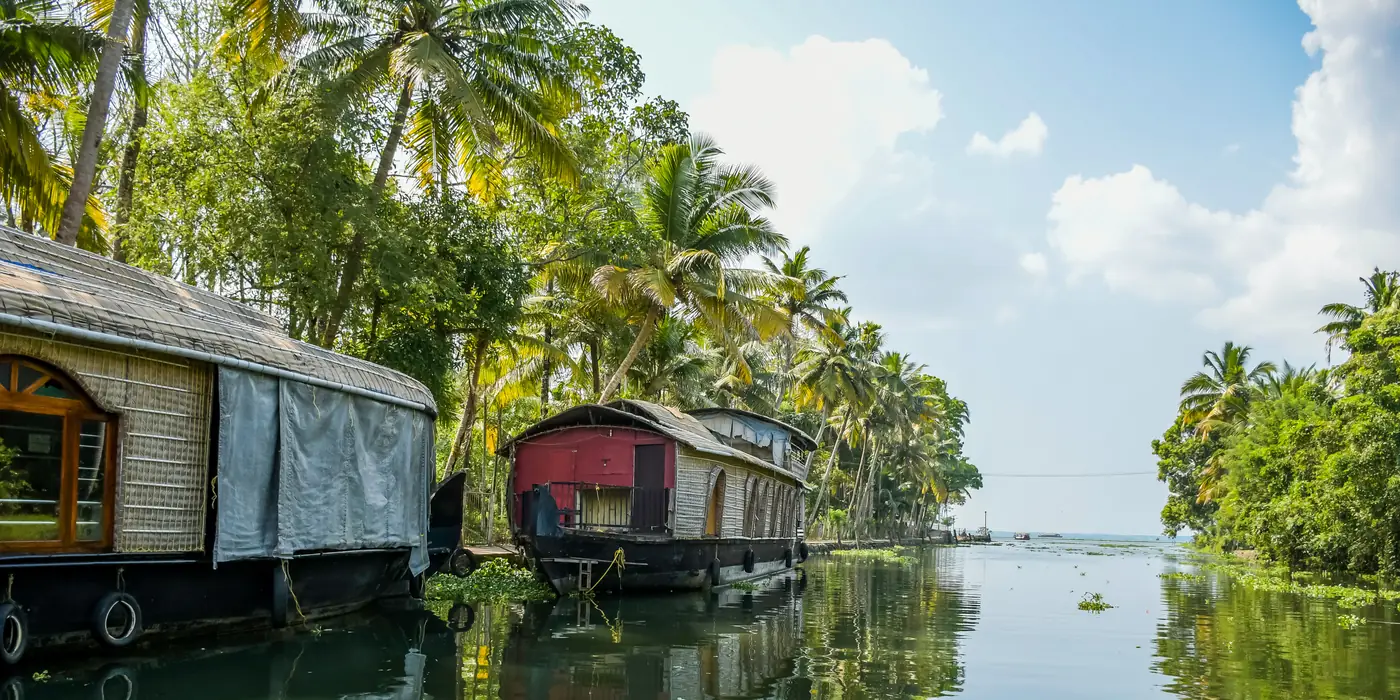
The Cochin Jews. The Jewish community of Kerala is the oldest of the three. Its copper-plate charters, granted by local rulers, date from about the year 1000. Over the centuries the Cochin Jews lived alongside Hindu, Muslim and Christian neighbors, and the influence shows in their synagogues, rituals and music. Britannica has a short account if you want to read more before you go.
Understanding these histories is more than knowing facts. It tells you why a synagogue in Cochin looks different from one in Mumbai, and why each community has its own dishes and songs.
2. How do you choose the right tour operator for a Jewish India tour?
A good operator changes the quality of the trip. Check these five things:
- Experience. Has the operator run Jewish heritage tours in India before? That shows in the details: which sites open when, and who to call when plans change.
- Itinerary. It should mix synagogues, museums, historic sites and cultural experiences. A balanced day plan gives you the whole picture, not just one city’s story.
- Guides. Look for guides who know the history, culture and customs of the local Jewish communities. Their perspective is half the trip.
- Reviews and references. Read what past travelers say, and ask to speak to one.
- Flexibility. If your family has a particular interest, ask whether the plan can bend around it.
Our own India tour runs 16 days, January 11 to 26, 2027, with an English-speaking tour leader and the domestic flights included. An 11-day option ends in Delhi.
3. Which Jewish heritage sites in India are worth visiting?
Most of the Jewish sites are in three cities, and the Paradesi Synagogue in Cochin and Knesseth Eliyahoo in Mumbai are the two best known. Our Jewish heritage tours cover this ground with a guide.
Mumbai
- Knesseth Eliyahoo Synagogue. Built in 1884 by the Sassoon family, and a landmark of the Baghdadi community, with a pale blue and white facade.
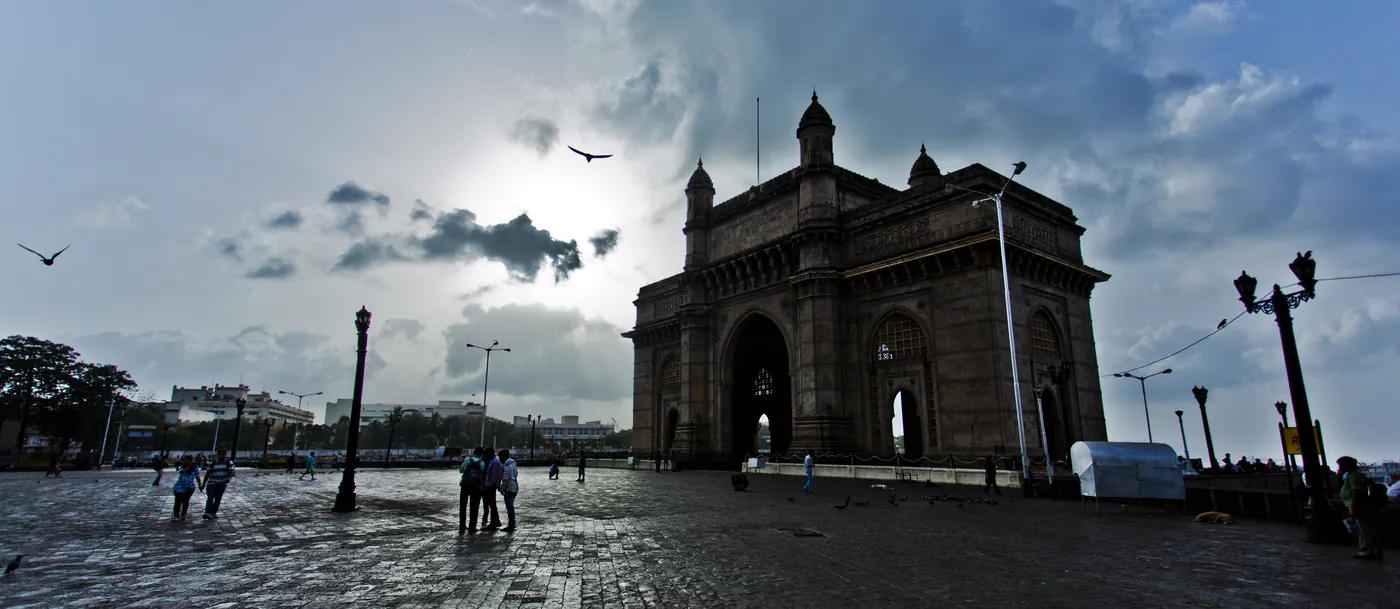
- The Gateway of India. The harbor monument, a reminder of the trade routes that brought many communities to the city.
- David Sassoon Library and Reading Room. Named after a prominent Baghdadi Jewish businessman, and one of Mumbai’s notable 19th-century buildings.
Cochin (Kochi)
- The Paradesi Synagogue. A 16th-century synagogue with a clock tower, in the old Jewish quarter.
- Jew Town. The street of antique shops and spice merchants around the synagogue.
- The Jewish cemetery. Distinctive tombstones and inscriptions that record the community’s history.
Kolkata
- Magen David Synagogue. Built in 1884, a reminder of how large and prosperous the Baghdadi community in Kolkata once was. It is not on our January 2027 tour.
4. How do you experience local Jewish culture on a Jewish India tour?
The buildings are half of it. The rest is how the communities live.
- The food. Each community has its own dishes, shaped by Indian spices and local ingredients. Ask your guide which are traditional to the community you are visiting.
- Services. If your tour falls on Shabbat or a festival, a synagogue service lets you see local customs in practice. Take part respectfully, and follow the community’s lead.
- The people. Some communities welcome visitors and will talk about their history. Conversation is the best way to learn how they have lived, and what they hope for.
For the kosher side, plan ahead. India has Chabad houses and kosher restaurants in some cities, and nothing in many places. Our tour has Glatt Mehadrin breakfast and dinner each day, with packed lunches.
5. How do you show respect for local customs on a Jewish India tour?
Visiting a synagogue or meeting a community is a privilege. A few habits make it better for everyone.
- Dress modestly. Men wear a kippah. Women cover shoulders and knees. Check what the particular community expects.
- Ask before photographing. Some sites limit photography, and sacred objects may not be photographed at all. On Shabbat, take no photographs.
- Be quiet during services. Keep your voice low and your phone away.
- Read before you arrive. Knowing a little about each community’s customs and festivals helps you follow what you see and ask better questions.
- Be courteous in conversation. Questions about customs are welcome. Questions about private matters are not, unless the person chooses to share.
Where do you start?
Read about the three communities, choose an operator who knows them, and plan the kosher meals before you go. Then leave room for the unplanned: a conversation in a synagogue courtyard, a dish you have never tasted. For more on the practical side, see our kosher travel tips, or look at the rest of our tours in Asia. If you would like to talk it through, contact us.