What is Gabriel Project Mumbai?
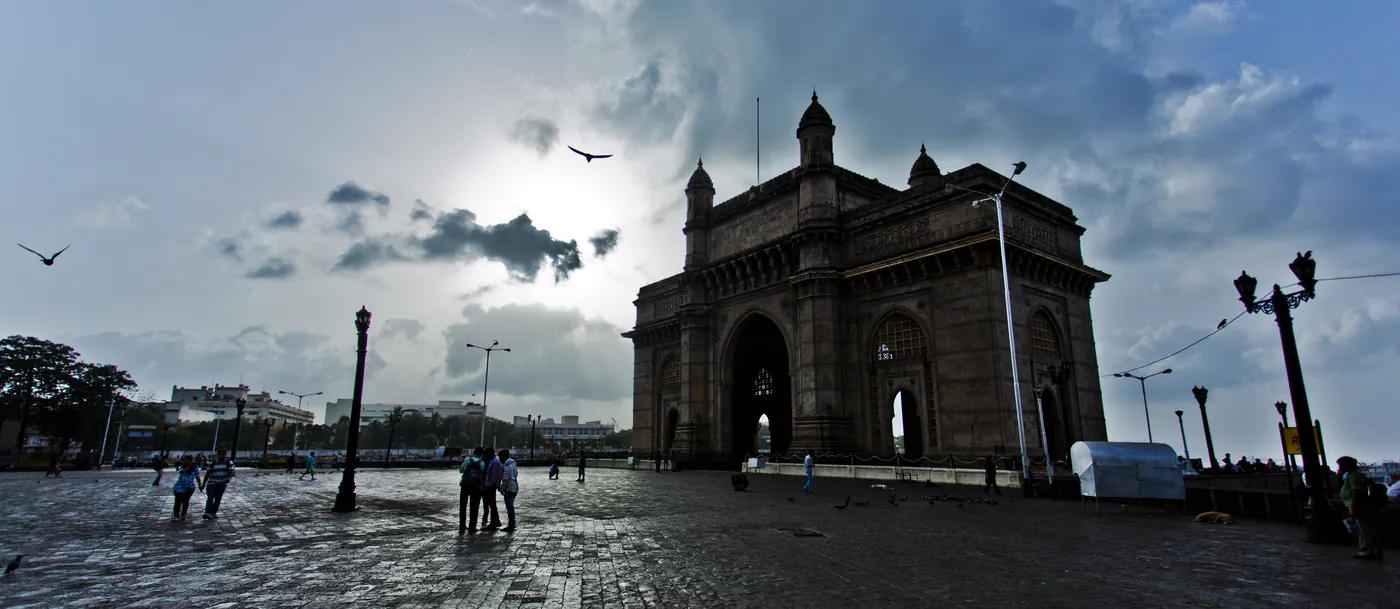
Gabriel Project Mumbai (GPM) is a community project in Mumbai, one of India’s largest and most varied cities. Its work is not to put the difficulties of Mumbai’s under-resourced neighborhoods on display. It aims to give people the tools and knowledge to create economic opportunities for themselves. You can read about the project in its own words on the Gabriel Project Mumbai website.
The idea is a simple one. People in these communities already have talent, and what they often lack is training, materials and a way to reach buyers. GPM focuses on those three things. A group of committed people started the project for the people living in these neighborhoods, and community involvement is at the center of its work.
Kosher Travelers has worked with the project, and the partnership is part of how we think about travel: guests who visit a place should be able to learn from it.How does the project work with the community?
GPM does not tell people what their problems are. It gives them the knowledge and the resources to decide for themselves how to build a livelihood, and then it supports them in doing it.
That approach has a practical effect. When people design and run the work themselves, they own it. They face their own challenges, develop their own strategies, and gain independence along the way. This is the opposite of a one-off donation: the skills stay with the people who learned them.
What do people learn?
A central part of the training is how to reuse and manage waste. Mumbai produces large amounts of waste material, and the project teaches people to turn it into something of value. Participants learn how to collect, clean and rework materials into upcycled items, and how to design products that people want to buy.
What is upcycling, and why does it matter here?
Upcycling means turning waste into something new and useful, and it is the most visible part of the project. Instead of throwing material away, participants rework it into crafts that carry real design and care.
It matters for three reasons:
- Income. Each upcycled product is something that can be sold. Skills and tools turn waste into earnings, and the work brings out creative talent that might otherwise go unseen.
- Environment. Material that is reused does not go to landfill. At scale that helps make the city cleaner and more sustainable, and it improves living conditions in the neighborhoods where the work happens.
- Dignity. Products made by skilled hands are things buyers are glad to own. They show the quality of the work, and the people behind it, to a wider public.
A route to market completes the picture. Kosher Travelers helps bring these products to travelers, who see the hard work and the talent behind them.
What difference has the work made?
The effects reach in three directions at once.
How does it help people earn?
The economic aim is independence. According to the original report of the partnership, more than 50 people from Mumbai’s marginalized communities have been trained and have found work through the initiative, which supports a steadier livelihood and a better quality of life. Alongside that, the sale of upcycled goods gives communities a product of their own to build on.
How does it help the environment?
Reusing waste cuts the amount sent to landfill, and the training spreads knowledge about recycling and upcycling through the neighborhood. Travelers who learn about the project also take home a clearer picture of how a community and its environment depend on each other.
How does it build understanding between people?
The partnership also makes room for cultural exchange. Visitors can learn the stories behind the work, and the Jewish travelers and the local community can learn from each other. Creativity is something people share across any geographic or cultural distance. When travelers and local people work and talk together, the result is a lasting bond between groups who might otherwise never meet.
Why does this matter for a traveler?
Travel is often passive: you look, you photograph, you leave. A community project offers something more. A traveler who meets the people behind a craft, or who buys what they have made, takes part in a small way in the community’s work.
Two things follow from that.
- Responsible travel. Visitors become more than observers, and the bond with the people they meet can last.
- Awareness. Travelers share what they have seen with friends and family. A wider audience then learns about the project, which brings attention, and often support, to the community it serves.
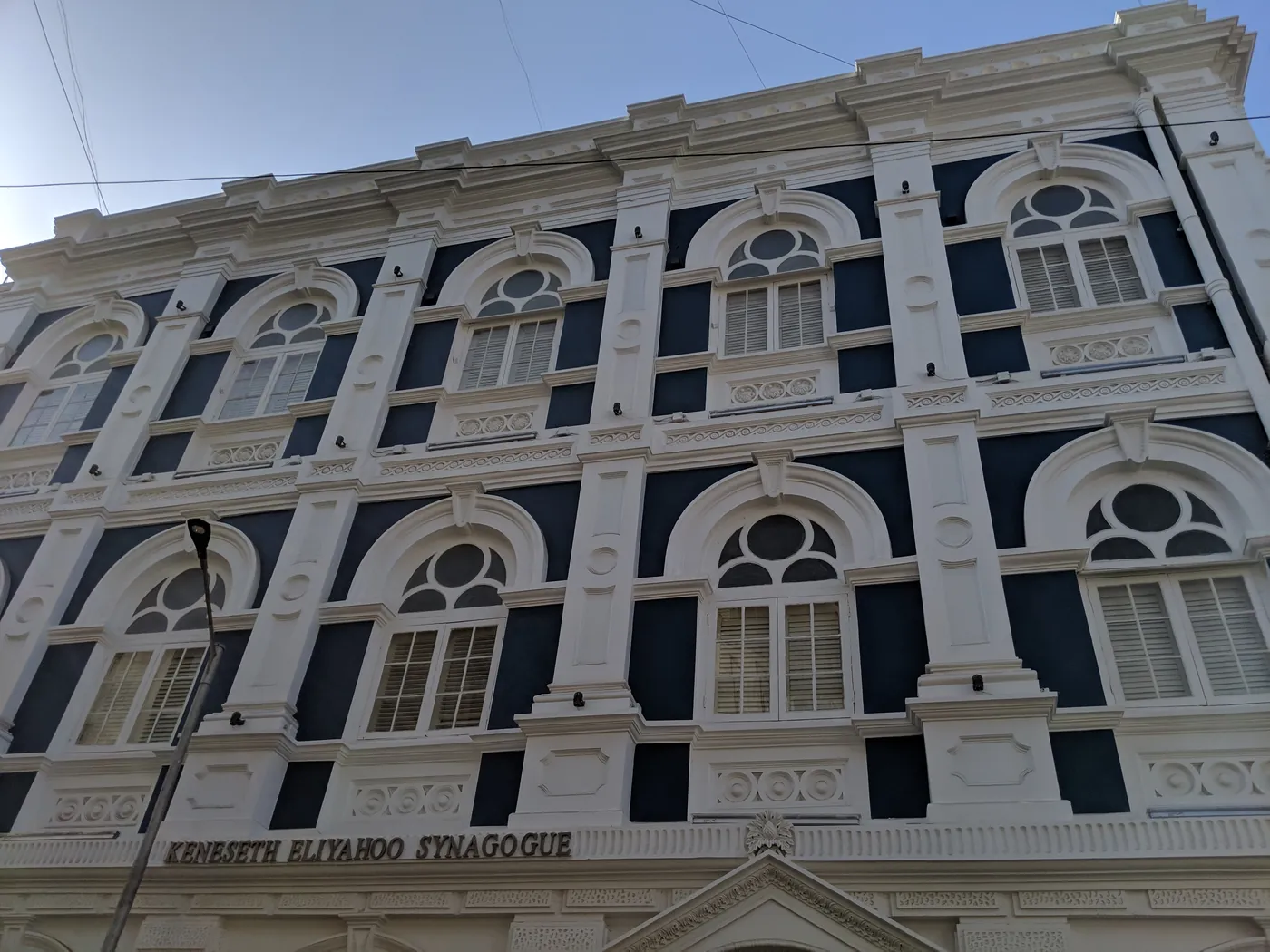
Mumbai also has a Jewish story of its own, including the synagogue shown above. Our India tour is a 16-day journey through Rajasthan, Delhi, Cochin and Mumbai. Our tips for a Jewish India tour cover the communities and synagogues along the route, and the Asia and Oceania page lists our other programs in the region. See the wider exotic tours page for other long-haul programs, or contact us if you would like to ask about visiting.
What can this kind of partnership teach?
The project suggests a model for community work: small, specific efforts that put skills and ownership in local hands. When groups with different strengths pull in the same direction, the effect is larger than either could manage alone.
The principle is easy to state. People in under-resourced neighborhoods are talented. They need a platform and the knowledge to use it, and given both they can build an independent, sustainable livelihood. It is a reminder that practical steps, taken together, can change a community.
If you want to support the work directly, start with the project’s own website, linked above. It is the best place to see what the project needs and how a donation or a purchase is used. If you are planning to travel, ask the team about visiting before you go, since a visit works best when the project knows you are coming and what you hope to learn.