What is a kosher safari?
When you think of a safari, you probably picture open savanna, wildlife and wide skies. A kosher safari keeps all of that and adds the arrangements an observant traveler needs: kosher meals, a kept Shabbat and an itinerary planned around both.
The trip is the same trip. The difference is that someone has thought through the kitchen, the calendar and the schedule before you arrive, so you can spend the week looking at animals rather than at menus.
Why choose a kosher safari over a standard one?
A standard safari lodge can be wonderful and still leave an observant guest with a week of difficult choices. A kosher safari removes them.
- Your practice stays intact. Meals, Shabbat and the pace of each day are planned around what you keep.
- Every detail is arranged. The accommodation, food and activities are chosen in advance, so you do not have to check them on the day.
- It works across generations. Children, parents and grandparents can share the same drives and the same table.
- Local culture is part of it. Itineraries can include a synagogue, a local community or a market, alongside the game viewing.
- Responsible wildlife viewing. Look for lodges and rangers that work with conservation in mind. It matches the Jewish idea of tikkun olam, repairing the world.
Where can you go on a kosher safari?
Southern Africa is where most kosher safaris run, because it combines established lodges with cities that have Jewish communities and kosher infrastructure. We run two private safaris there, each eight days.
- South Africa. The Cape Town and Kruger safari spends four nights in Cape Town, with Table Mountain and the Cape Peninsula, then three at a lodge in the Thornybush Game Reserve in the Kruger area. It leaves every Wednesday.
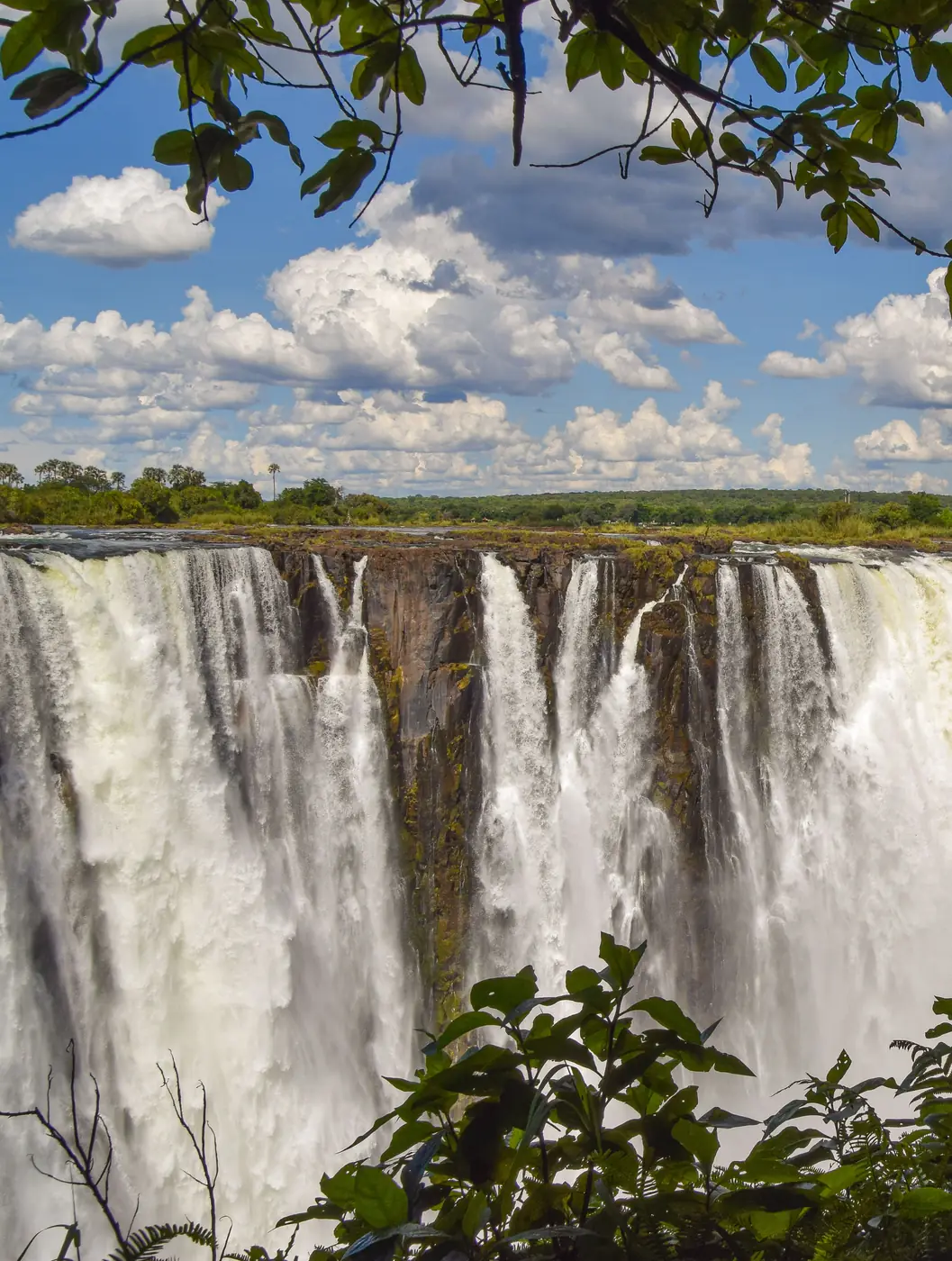
- Zambia. The Victoria Falls and Lower Zambezi safari spends three nights at the falls and the rest in Lower Zambezi National Park, with game drives, bush walks, boat trips and canoe excursions, on your own dates.
Both are private, for your own party. For all of it in one place, see our African safaris page, or the wider Africa page.
Other regions, such as the Serengeti in Tanzania or Etosha in Namibia, are well known for game viewing. If you are considering one, ask early how the kosher food and Shabbat would be arranged, because remote lodges often need that planned well in advance.
What happens on a typical kosher safari day?
Safari days follow the animals. A typical day has an early game drive, a rest through the heat of the middle of the day and a second drive in the late afternoon.
- Game drives. Rangers take you out in an open vehicle to see wildlife in its own setting. Kruger National Park alone covers about 19,500 square kilometers, according to SANParks, so the lodge you choose shapes what you see.
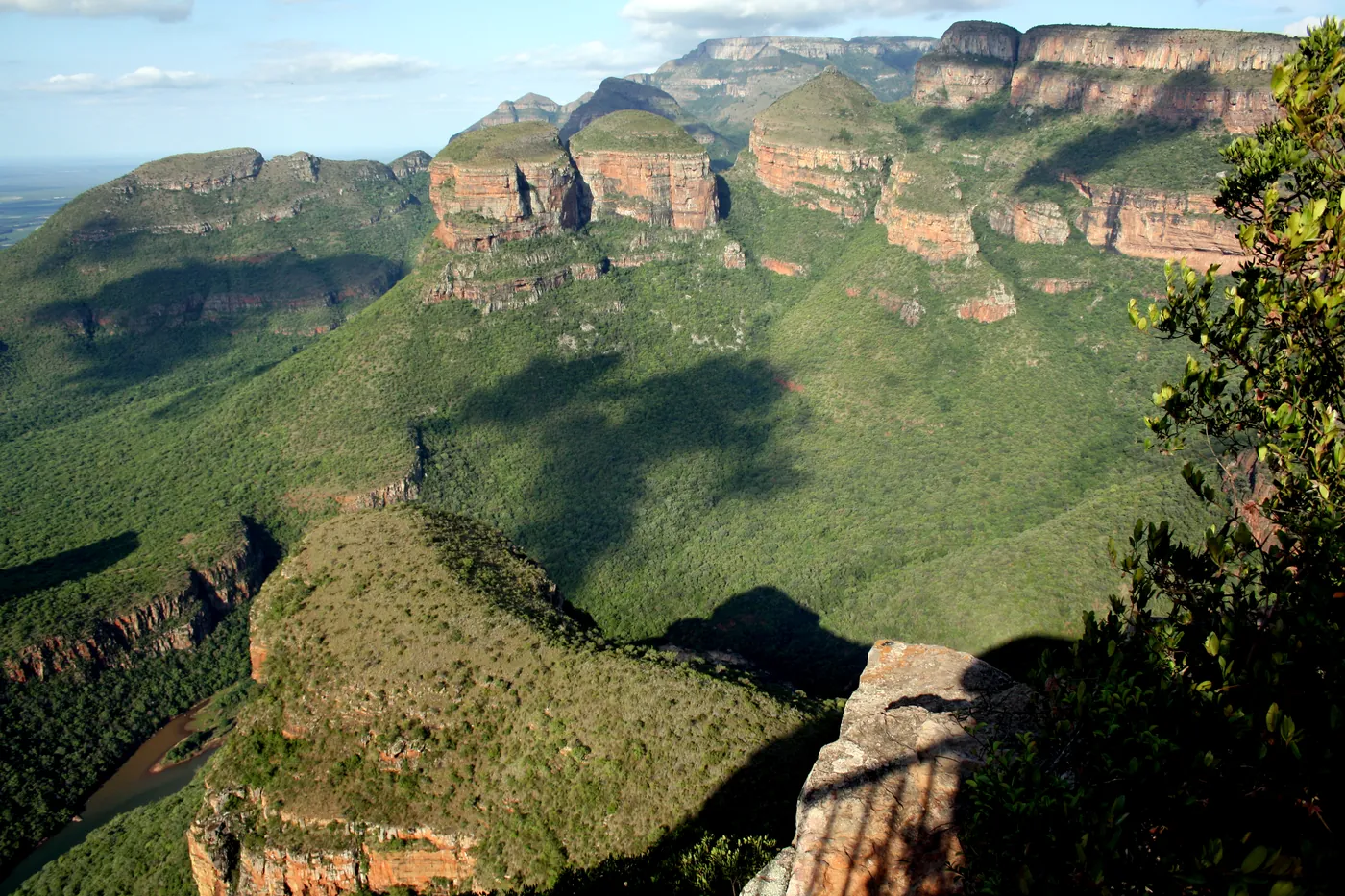
- Natural wonders. Beyond the animals, there are landscapes of their own, such as the Three Rondavels above the Blyde River Canyon.
- Guides. Knowledgeable guides explain the wildlife and the region. Ask also whether they understand the requirements of a kosher trip.
- Activities for families. Guided nature walks and talks suit younger travelers, but the age rules differ by lodge, so check them first.
How does kashrut work in the bush?
A lodge in the bush is a long way from a kosher supermarket, so the arrangements matter. These are the questions to ask:
- Who supervises? Ask which beit din or agency is responsible, and whether a mashgiach travels with a private party.
- Where is the food prepared? A kitchen that is locked and reserved for kosher use, with new equipment, is the clearest answer.
- What do meals cover? Breakfast, picnic lunches on day trips and the Shabbat meals should all be included.
- What about dairy and meat? Ask how the menus are planned, and whether there is a meat meal.
- Local flavor. Some tours include a kosher wine tasting or a cooking workshop, which lets you enjoy the local food without leaving your practice.
On our own safaris every meal is Glatt Mehadrin, under the supervision of the Johannesburg Beit Din. In Cape Town the kosher catering is delivered to your hotel, and at the Thornybush lodge the kosher kitchen is privately locked, with a kosher-trained chef.
How is Shabbat kept on a safari?
Shabbat is a rest day on a safari, and it is often the day travelers remember best.
- Candles and meals. Candle lighting, kiddush and festive meals take place as they would at home, in a setting that is quiet and open.
- Services. Where there is a Jewish community nearby, as in Cape Town, you can join a service. Where there is none, such as in the Zambian bush, Shabbat is kept privately at the lodge.
- Rest. With no drives scheduled, the day is for reading, walking near the lodge and spending time with your family.
What should you pack for a kosher safari?
Packing for a safari with kashrut in mind needs a few extra items.
- Kosher essentials. Any kosher food you prefer to have on hand, travel-sized salt, pepper and condiments, and reusable utensils and dishes for personal use.
- Clothing. Modest, comfortable, breathable clothing that suits drives and walks. Respect local customs, and cover your head where the setting calls for it.
- Religious items. Prayer books, religious garments and, if your trip falls at the right time, a travel-size menorah.
- Medication and adapters. Bring an ample supply, because replacing medication in a remote area is hard. Check the voltage and plug type, and pack adapters.
- Documents. Passport, visas, insurance and any relevant medical records, kept together and secure.
Is a kosher safari the right trip for you?
A kosher safari lets you see some of the most remarkable places on earth without setting your practice aside. If you would like to talk through the options, the dates and the kashrut arrangements, send us an inquiry and the person for your region will reply.